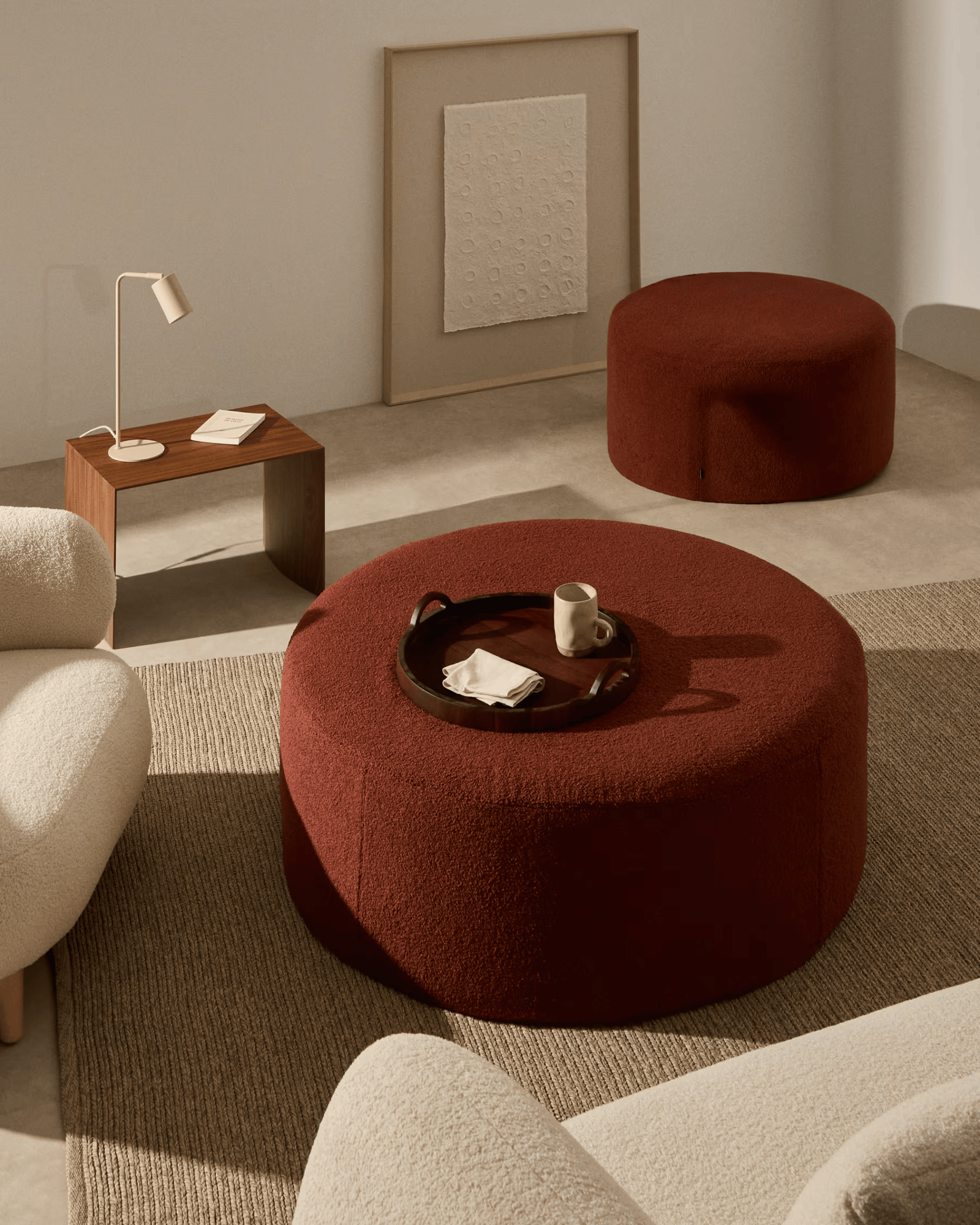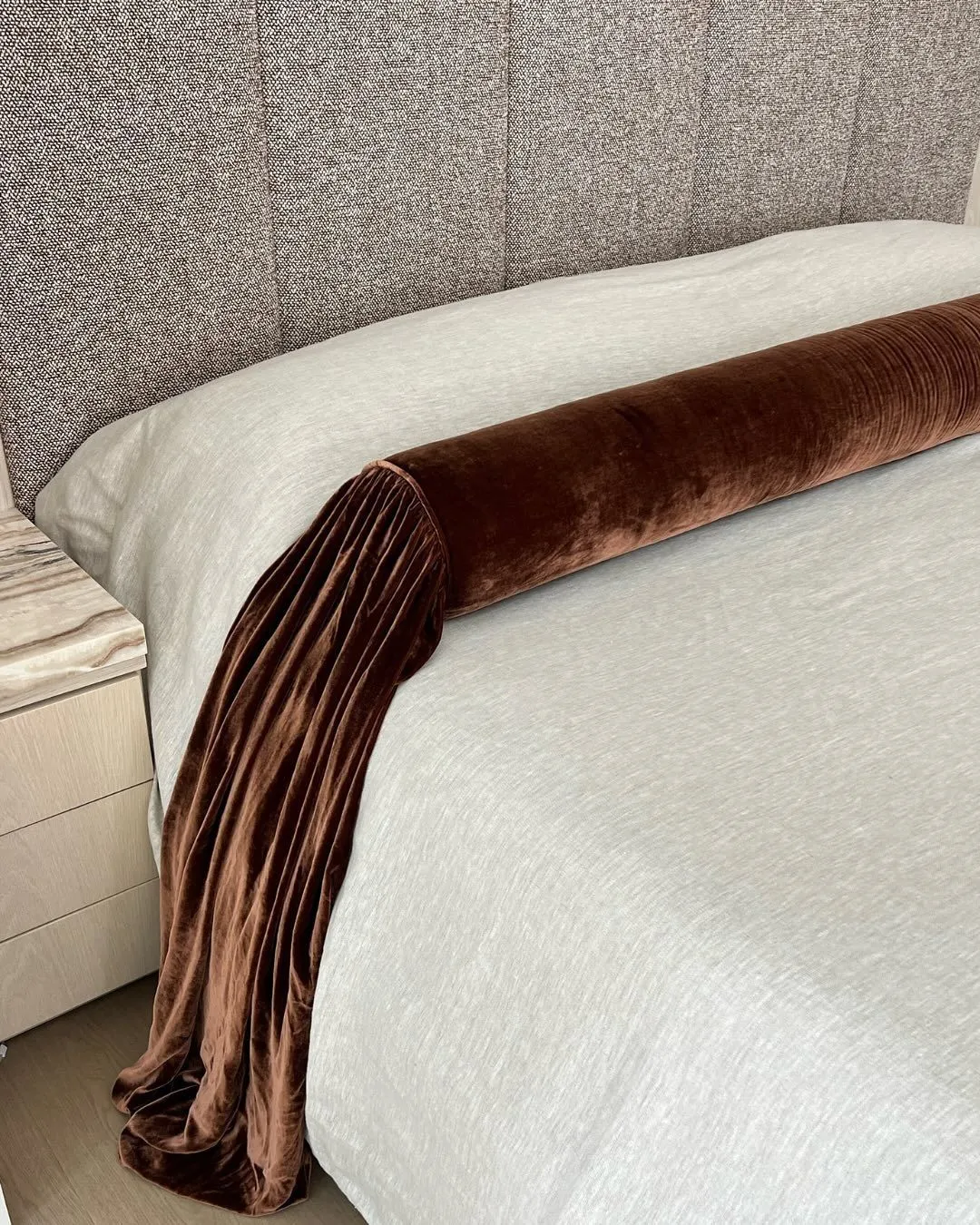
There’s a moment in every home where something feels off. The furniture’s in place. The walls are painted. The shelves are styled. And yet, it still reads flat. Cold, even.
The instinct is to buy something. A candle. A vase. A stack of coffee table books no one will open. But more objects rarely fix the problem. What’s actually missing is texture.
Texture is what makes a room feel like it has weight. Like someone actually lives there. And the best part? You don’t need to add a single decorative object to get it. You just need to be smarter about the materials, finishes, and layers that are already doing a job in your space.
Here are ten ways to build that richness in, without turning your home into a museum of stuff.
1. Get a rug that earns its square footage
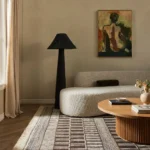
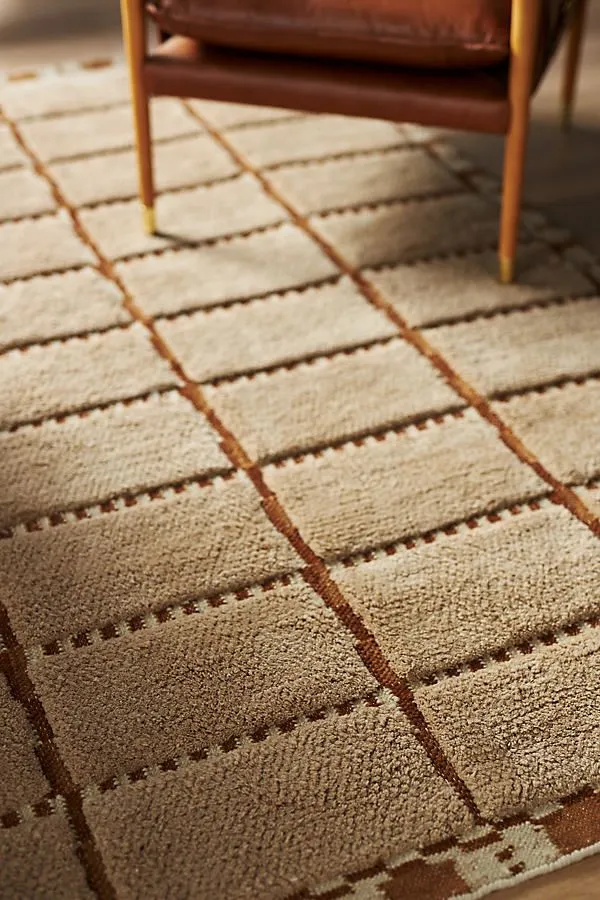
A rug covers more visual real estate than almost anything else in a room. So when it’s thin, shiny, or forgettable, you feel it. A rug with actual texture (wool loop pile, a visible flatweave, sisal if you’re brave, or a vintage pattern with some depth) changes the entire baseline of a space.
One good rug does the work of five accessories. Choose it like it matters, because it does.
2. Let your curtains do more than hang there
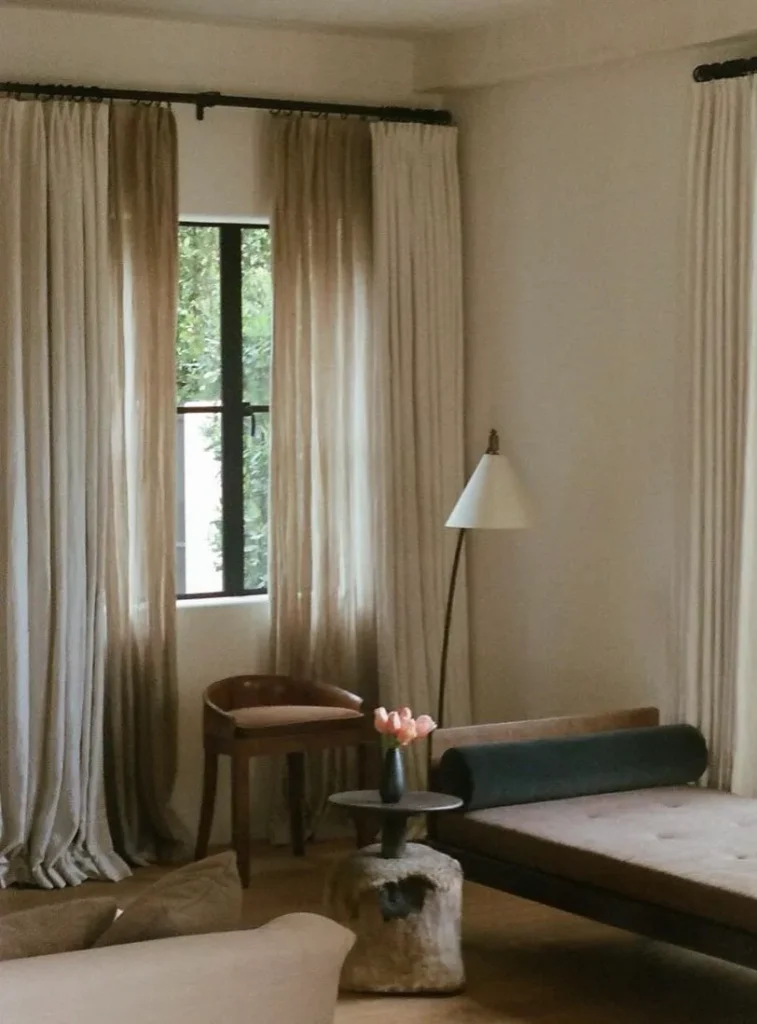
Cheap curtains are one of the fastest ways to make a room feel hollow. If they’re stiff, papery, or see-through in a bad way, they’re working against you.
Swap them for something with body. Linen blends. Textured cotton. A slub weave that catches light differently across the day. You don’t need bold colour or pattern. Just a fabric that moves and drapes like it belongs in a real room, not a showroom render.
3. Edit your cushions down, then mix the textures up
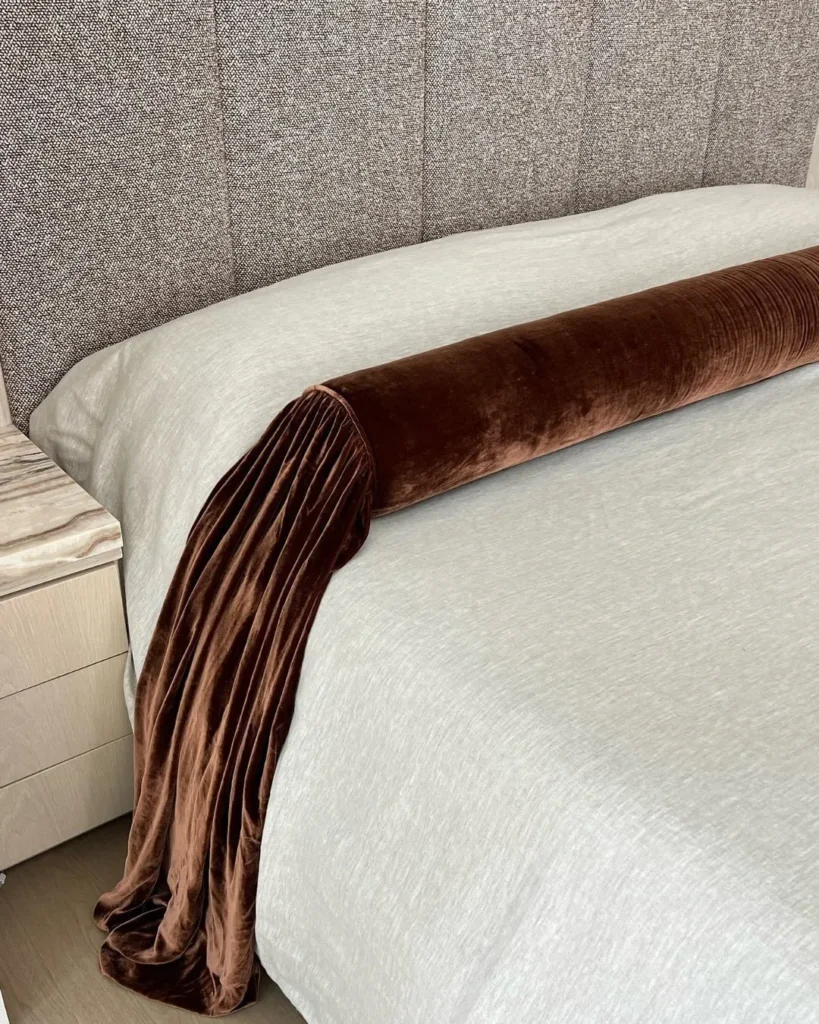
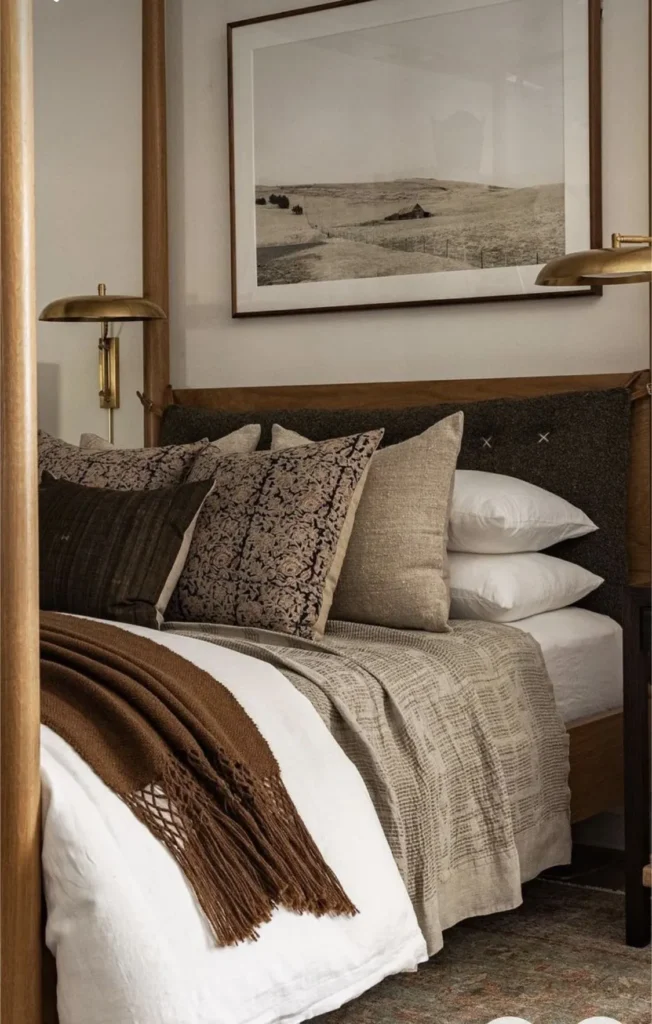
You don’t need a sofa full of throw pillows. You need two to four that actually contrast with each other.
One nubby boucle. One soft velvet or chenille. One structured linen or canvas. Keep them in the same colour family (warm creams, earthy tones, soft greiges) so the effect is calm, not chaotic. The texture does the talking, not the quantity.
4. Stop buying filler. Start collecting character.
There’s a certain type of decor that exists to fill a gap. A generic vase. A mass-produced sculpture. A candle that’s never been lit. These things don’t add warmth. They add visual noise.
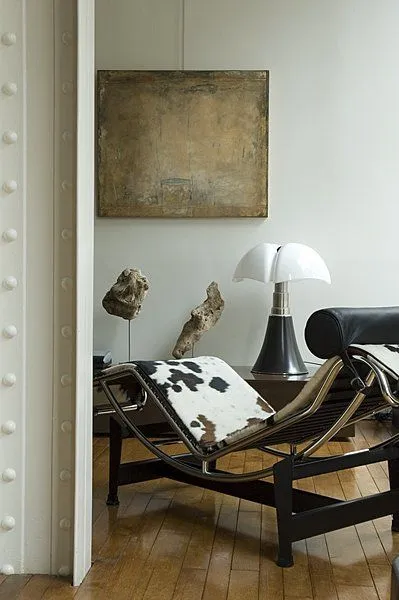
Instead, invest slowly in pieces with actual presence. A chair with visible patina. A side table with natural stone grain. A lamp with a shade that has some personality. Fewer things, more soul. That’s the whole philosophy.
5. Use your walls (they’re free real estate for texture)
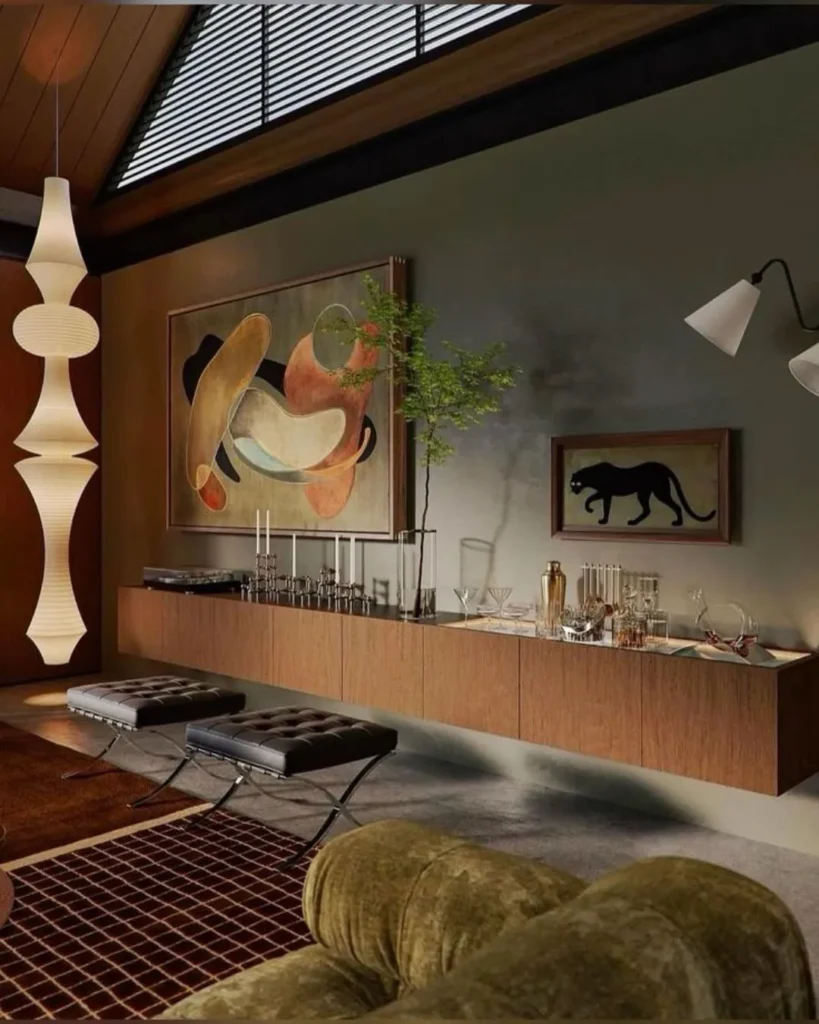
If you prefer clean surfaces and open shelving drives you mad, the walls are where you should focus. Limewash paint. Textured wallpaper. Simple wood panelling. Picture moulding. A plaster-effect finish.
These take up zero floor space, zero shelf space, and zero mental energy to “maintain.” But they completely shift how a room feels, from flat box to something with actual architecture.
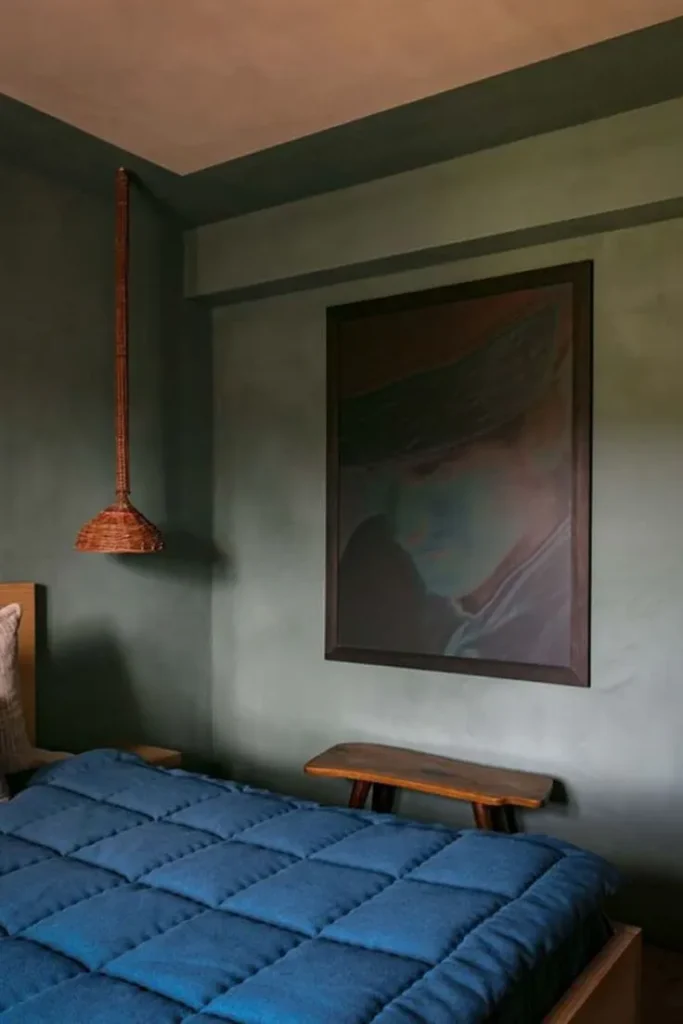
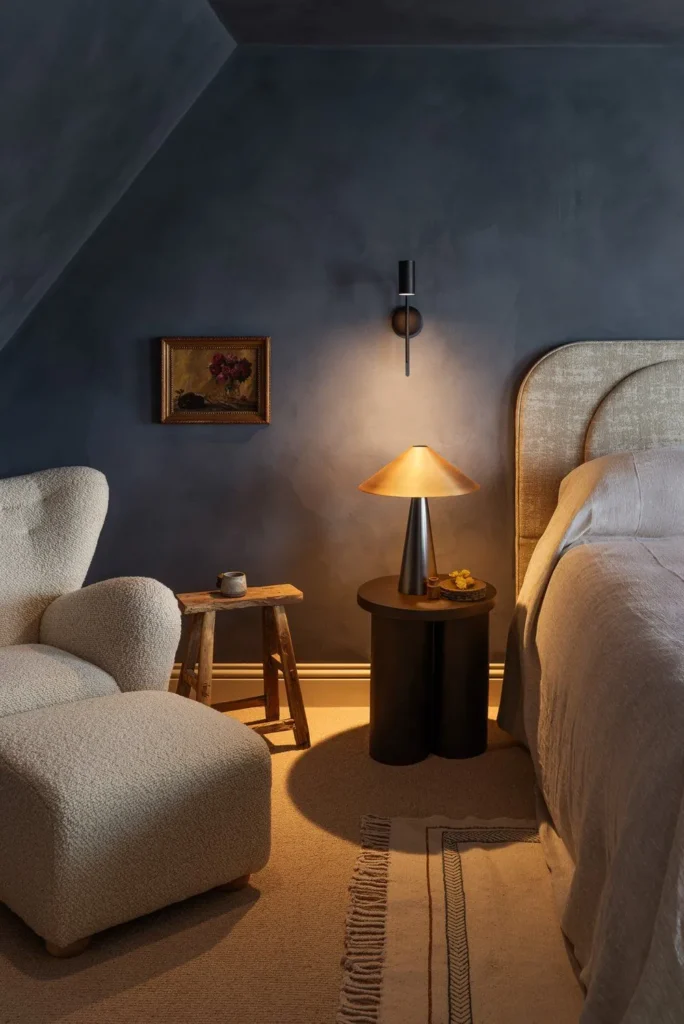
6. Light for shadow, not just visibility
Here’s a detail most people overlook: texture needs shadow to show up. A room lit entirely by overhead downlights will flatten every surface, no matter how beautiful the materials are.
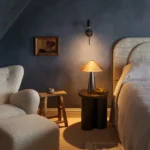
One warm-toned lamp with a fabric shade. A paper lantern. A wall sconce casting soft gradients. That’s all it takes. Lighting is the cheapest way to make a room feel three-dimensional, and most homes completely waste the opportunity.
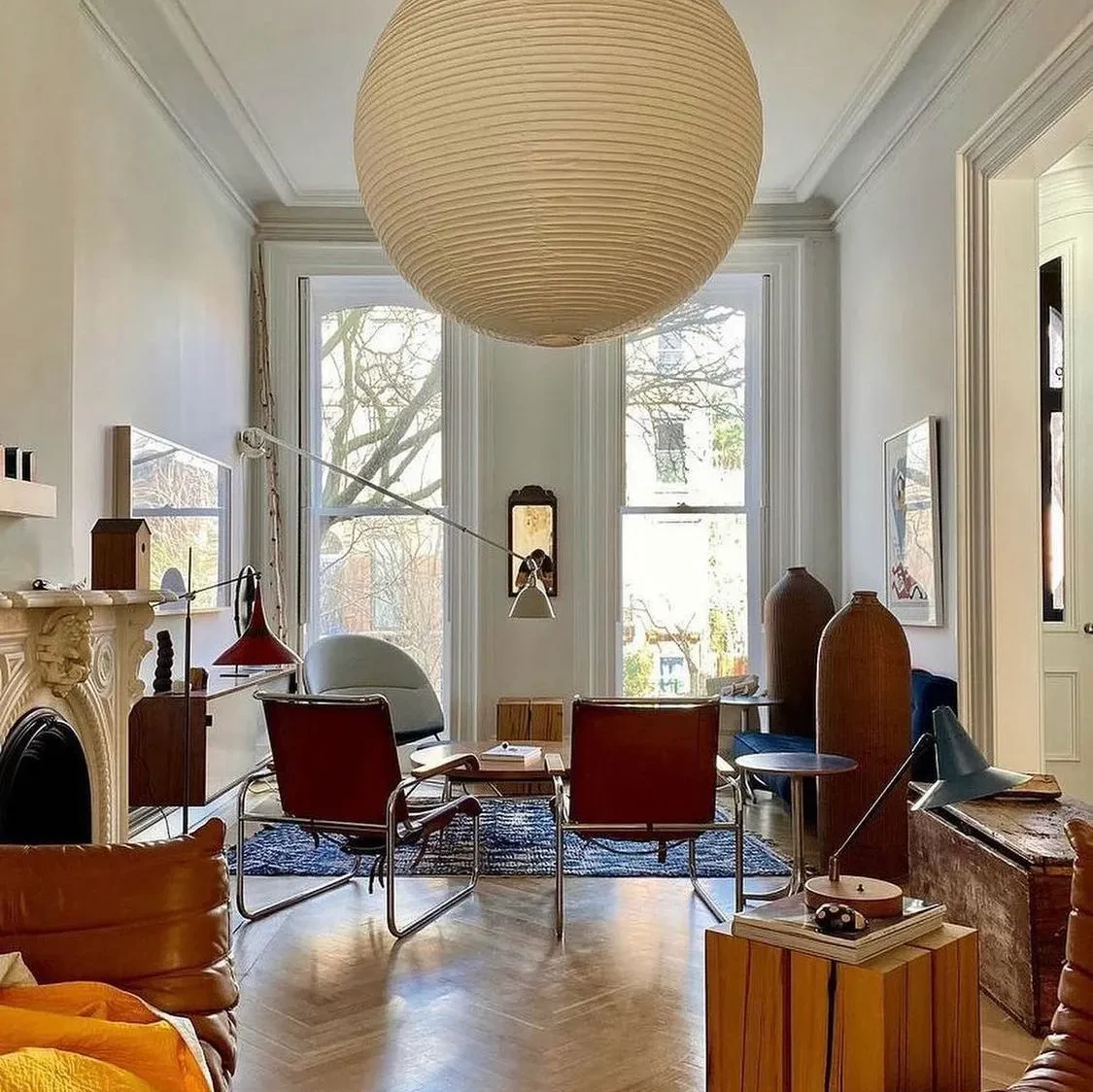
7. Contrast your materials (not your colours)
When every surface in a room is the same finish (smooth wood, smooth leather, smooth plaster) the whole thing reads a bit sterile. Even if every piece is beautiful individually.
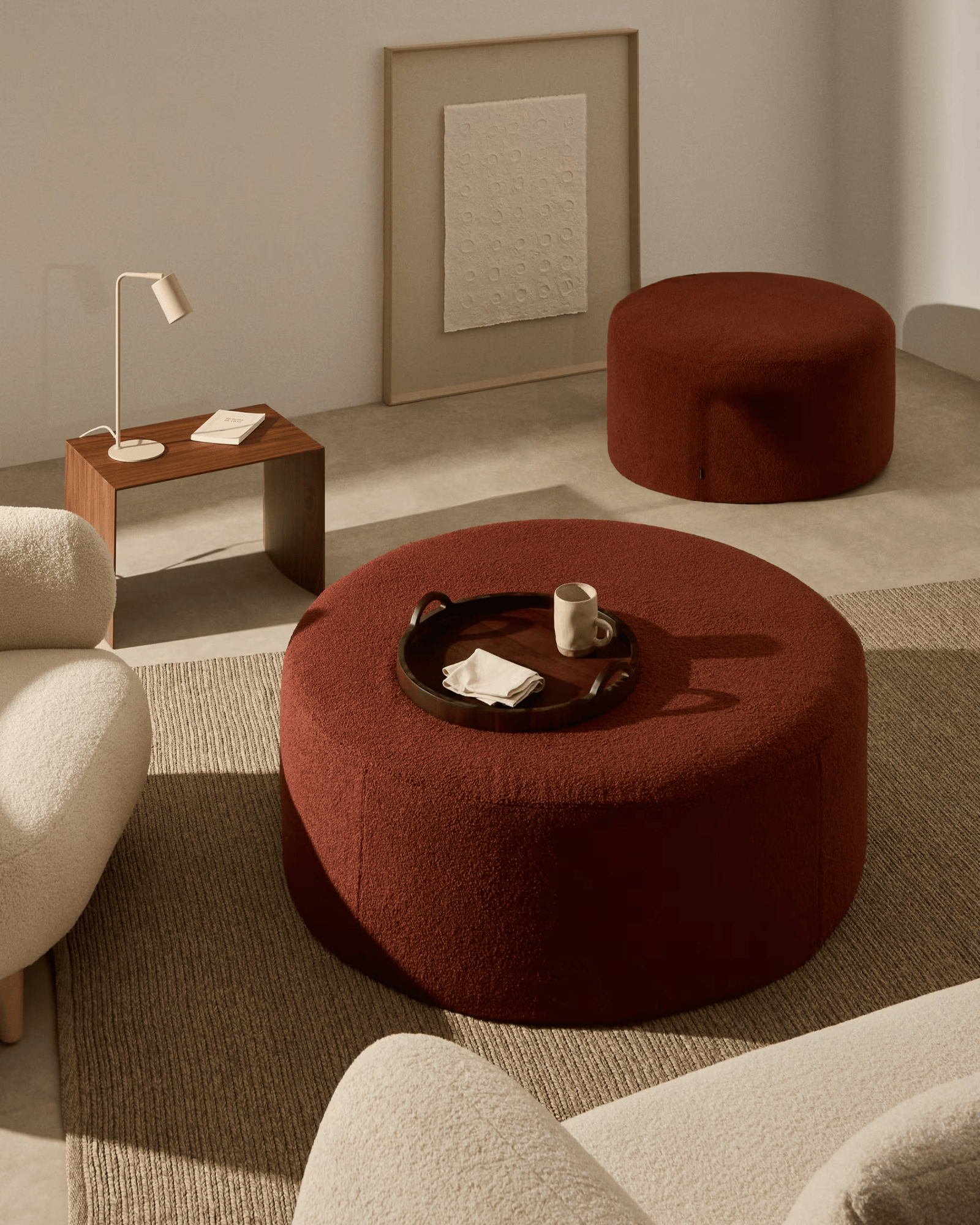
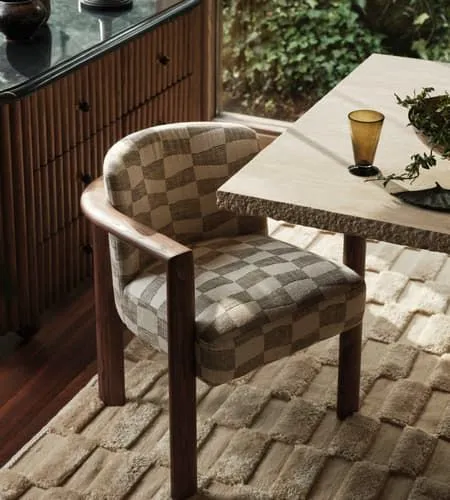
The fix is material contrast. A linen sofa paired with a chunky knit throw. A smooth dining table with woven or upholstered chairs. A leather armchair next to a rough stone side table. You’re not adding chaos. You’re adding conversation between surfaces.
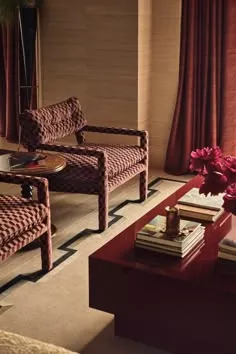
8. Choose surfaces that come with built-in texture
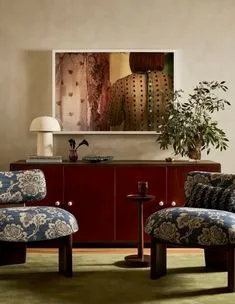
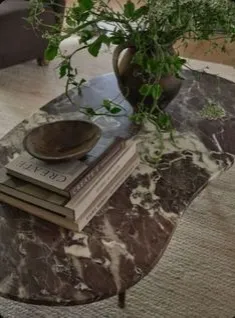
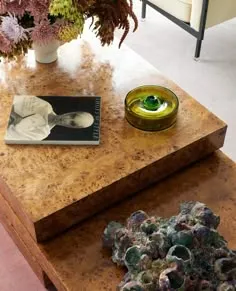
Stone, marble, travertine, rough-sawn wood, microcement: these materials have depth baked in. They don’t need a single thing placed on top of them to feel rich.
If you’re renting or can’t make permanent changes, a large stone or wood tray on a countertop, or a textured linen table runner, creates a similar effect without commitment. The key is choosing surfaces that look interesting even when they’re empty.
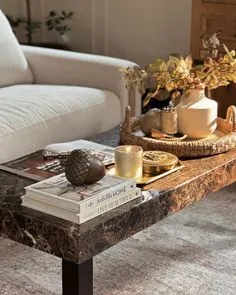
9. Leave room for something imperfect
Perfectly smooth walls. Perfectly matched finishes. Perfectly neutral everything. It can look… lifeless. Like a render instead of a room.
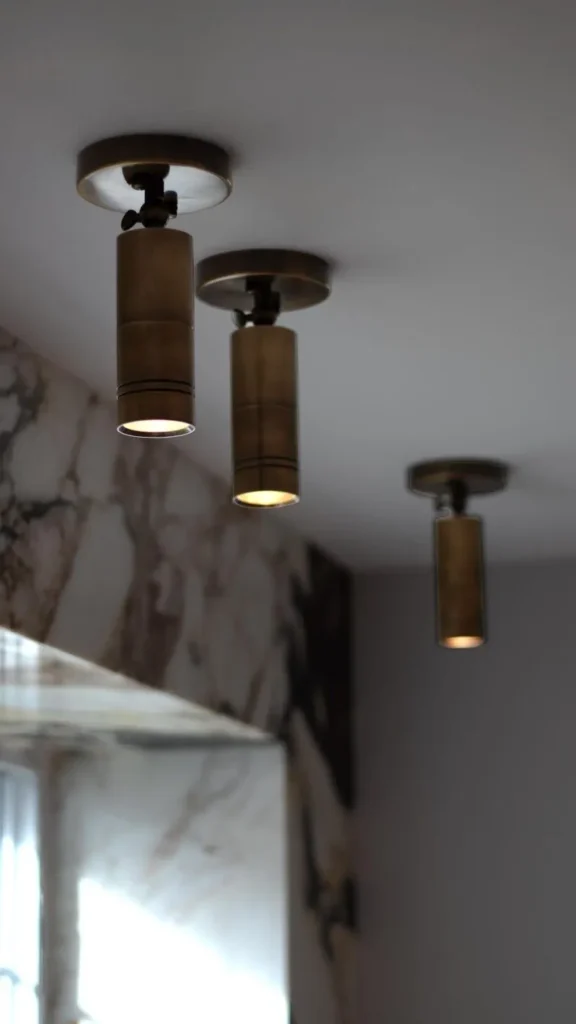
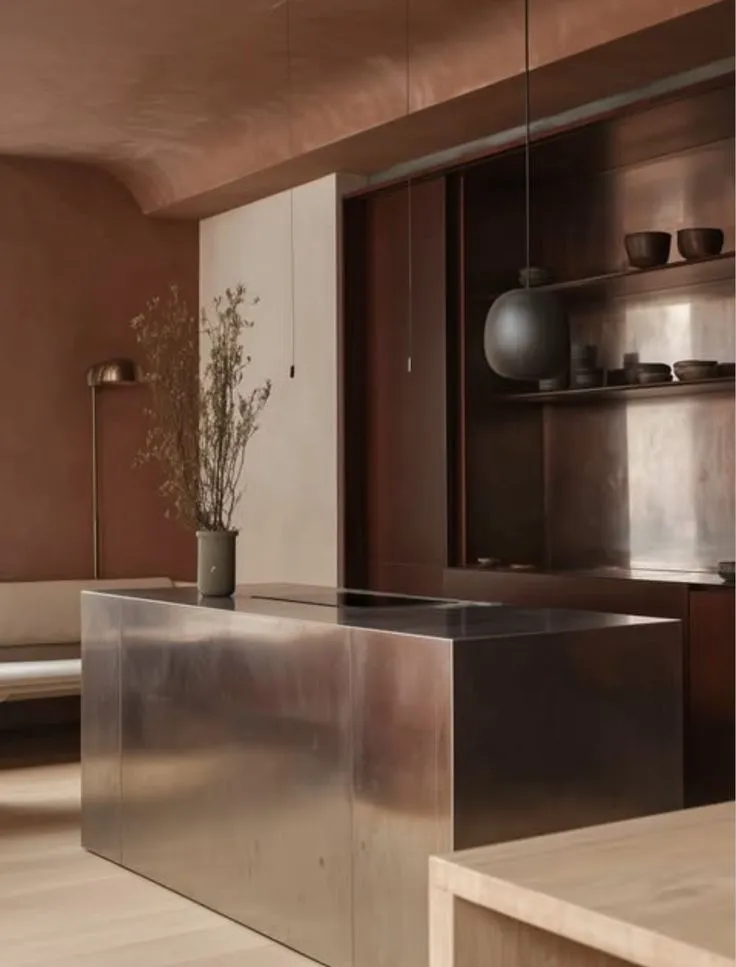
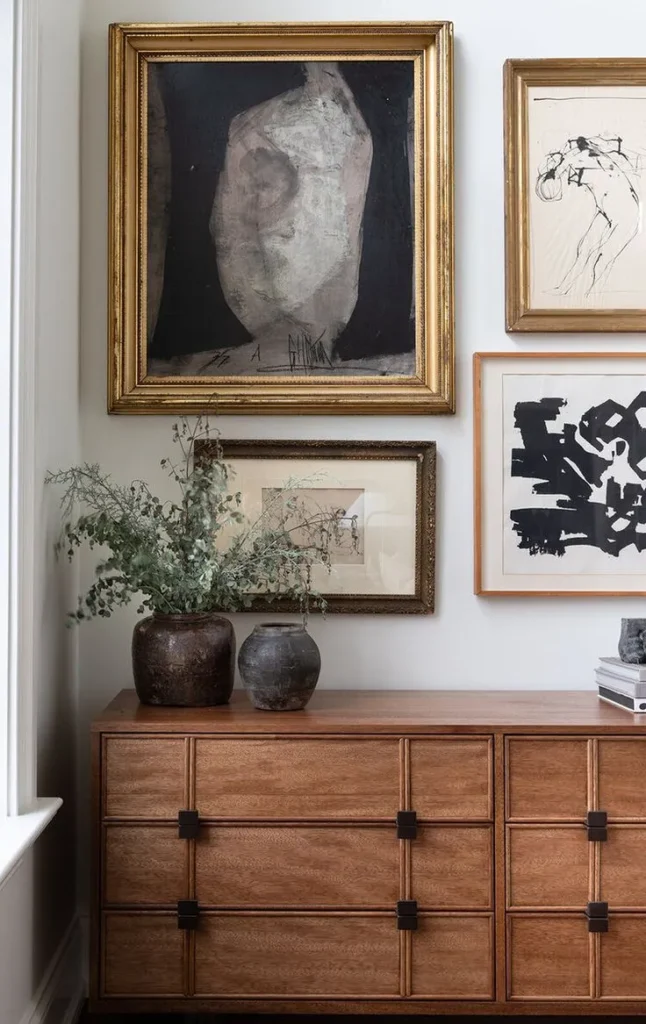
The antidote is deliberate imperfection. Aged brass hardware that will patina over time. Unlacquered metal fixtures. Handmade ceramics with visible irregularity. A vintage frame with some wear. Worn-in leather that tells a story. These are the details that make a room feel human, and they’re usually the things people notice first.
10. One tactile anchor per room. Not ten.
You don’t need texture everywhere. In fact, overdoing it defeats the purpose. What you need is one intentional moment in each room where the texture draws you in.
In the bedroom, that might be heavy linen bedding. In the living room, the contrast between rug and sofa fabric. In the hallway, a wall with a plaster or textured paint finish. At the dining table, upholstered seats or a woven pendant light overhead.
Minimal homes feel best when the texture is deliberate. Not scattered. Not random. Just enough to make the space feel alive.re.
Before you buy anything, ask yourself this
Next time you’re standing in a room that feels like it’s missing something, pause before reaching for your phone to shop.
Ask: Am I trying to fix a feeling with an object? Could I solve this by upgrading something I already need, like a rug, curtains, a light fixture, or upholstery? Could the walls carry the texture so the surfaces stay clear?
Nine times out of ten, the answer isn’t more stuff. It’s better material.
How do I add texture to a room without adding more decor?
Focus on what’s already functional: your rug, curtains, upholstery, lighting, and wall finishes. When texture is built into the things that are already doing a job, you get depth without clutter.
What textures make a room feel cosy but still minimal?
Linen, wool, velvet in small doses, warm-toned wood, natural stone, and mineral paint finishes. The trick is keeping the colour palette tight so the textures create warmth without visual noise.
How do I stop texture from looking messy?
Limit yourself to two or three different textures per room. Repeat materials across spaces for continuity, and keep the tones consistent. Texture reads as richness when it’s controlled, and as clutter when it’s competing.