When we talk about iconic chairs, we’re not talking about trends or Instagram Temu rip-offs.
We’re talking about pieces that changed how we sit, live, and think about interiors.
A truly iconic chair does at least one of these:
- Rewrites comfort
- Introduces a new material or technique
- Becomes cultural shorthand for “good design”
- Survives decades without needing reinvention
Here are the chairs that did exactly that.
Eames Lounge Chair (1956) designed by Charles & Ray Eames
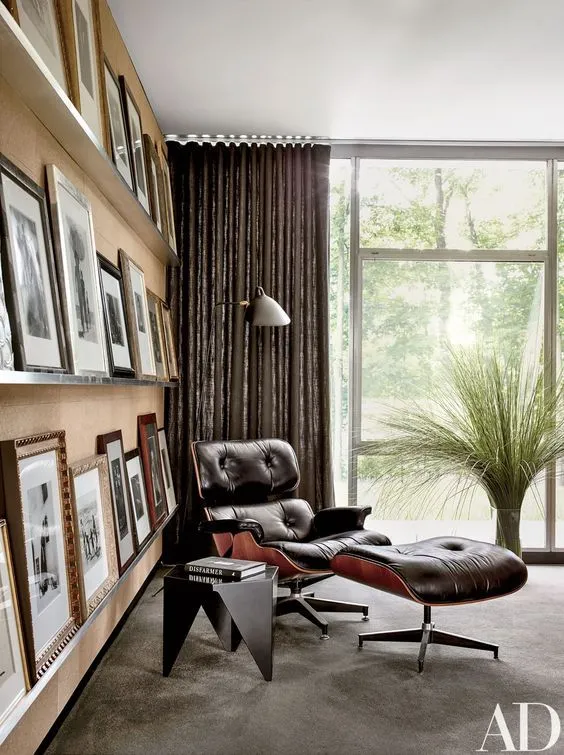
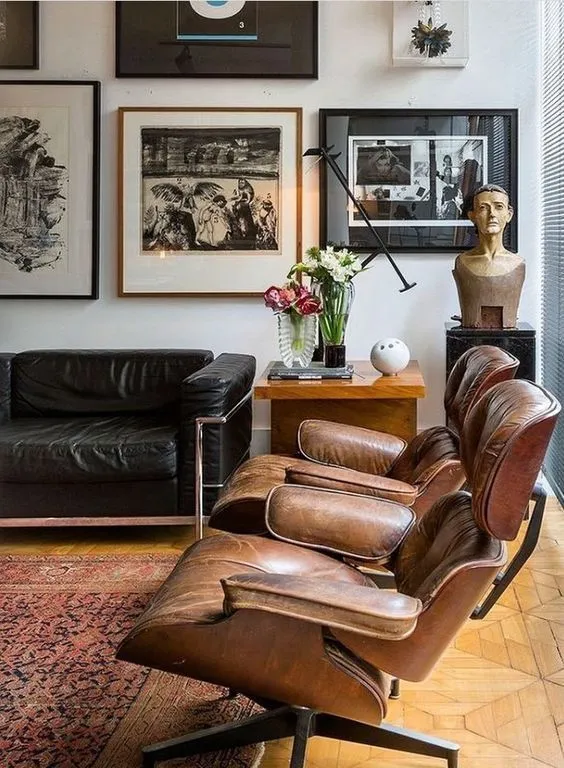
If there’s one chair that transcends taste, era, and style, it’s this one.
Designed to feel like “a well-used baseball glove,” the Eames Lounge Chair redefined what modern luxury could be: soft, human, and deeply comfortable. Before it, modern furniture often looked good but felt cold. This chair changed that.
Why it’s timeless:
- Sculptural without being rigid
- Luxurious without being formal
- Equally at home in a loft, Altbau, or modernist villa
It’s not just iconic, it’s the benchmark.
The Most Iconic Dining Chair
Wishbone Chair (1949) designed by Hans J. Wegner
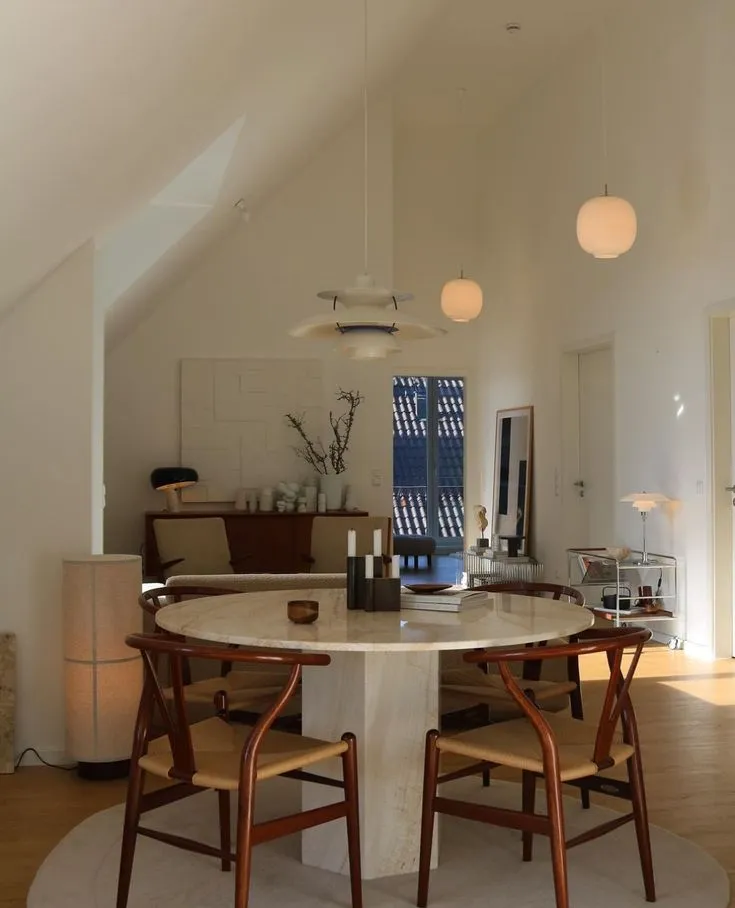

The Wishbone Chair proves that quiet design can be powerful.
With its Y-shaped back and woven seat, it blends craftsmanship and restraint in a way that feels effortless. It doesn’t shout. It belongs.
Why designers still love it:
- Works in modern, rustic, and classic spaces
- Lightweight but visually grounded
- Comfortable without upholstery
This is the chair that makes a dining room feel considered.
The Most Copied Chair in History
Barcelona Chair (1929) designed by Ludwig Mies van der Rohe & Lilly Reich
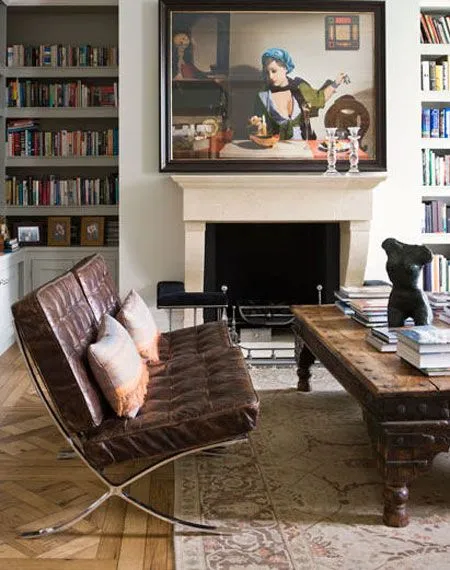
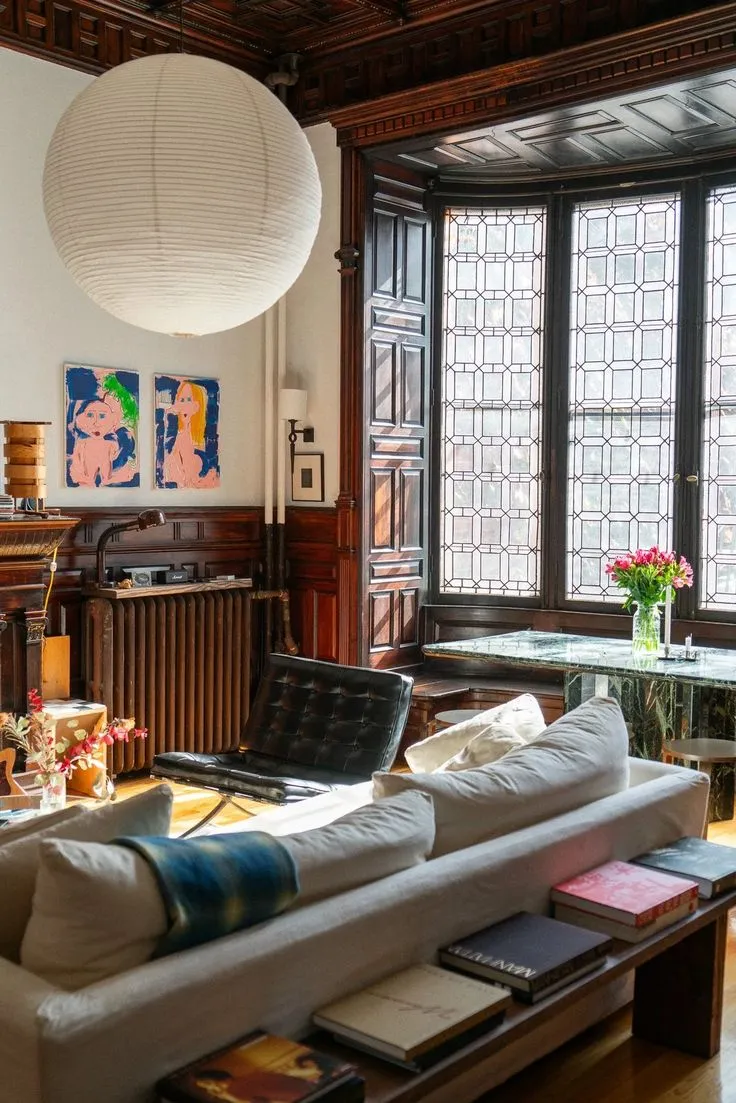
Designed for royalty, adopted by the world.
The Barcelona Chair is pure modernist confidence: chrome, leather, symmetry. It’s been copied endlessly — often badly — which is usually the price of greatness.
Why it endures:
- Instantly recognisable silhouette
- Architectural presence
- Signals “design literacy” (even when overused)
When placed well, it still feels incredibly sharp.
The Chair Designers Respect the Most
LC4 Chaise Lounge (1928) designed by Le Corbusier
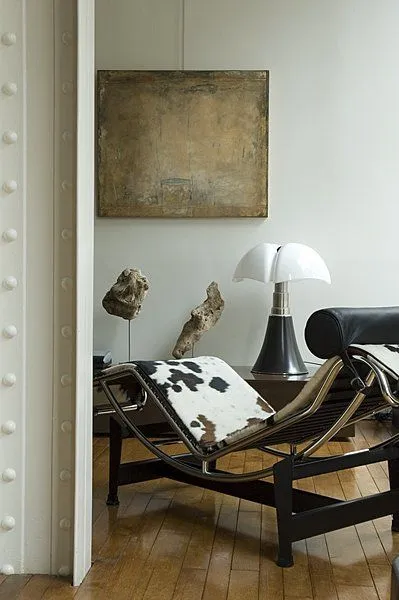
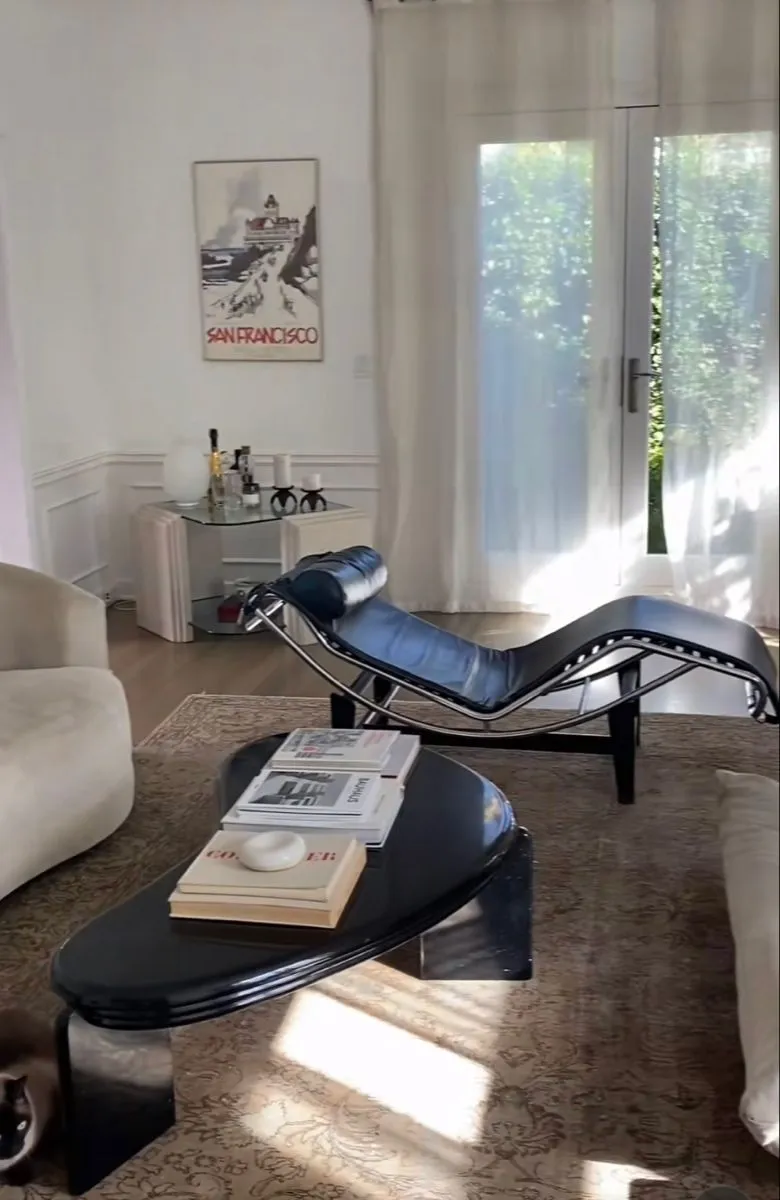
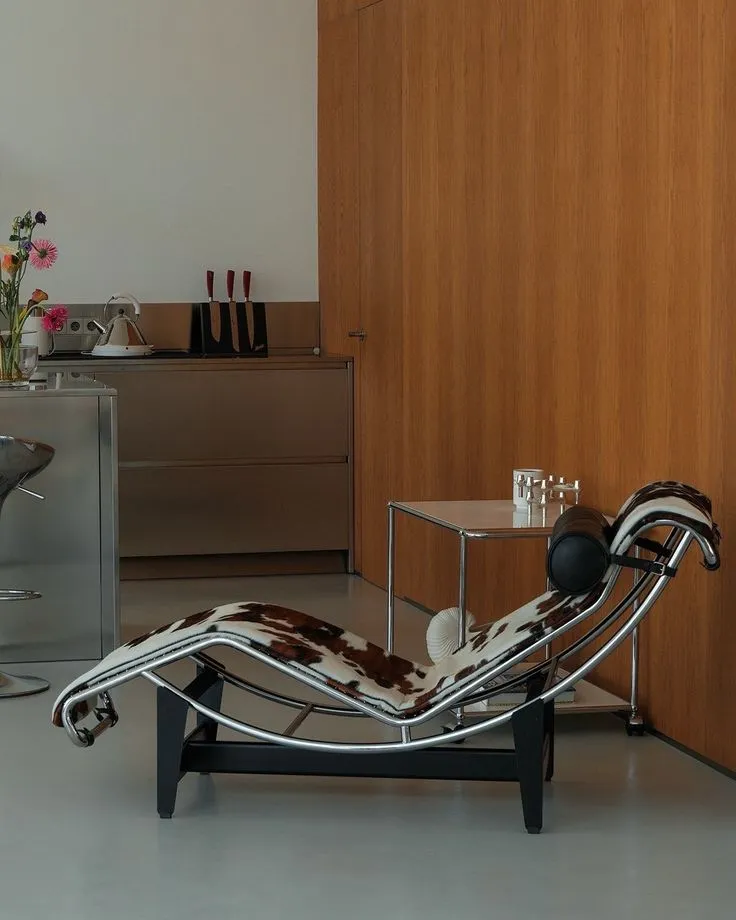
This one isn’t about popularity; it’s about concept.
Designed around the natural recline of the human body, the LC4 was revolutionary. It treated comfort as something measurable, not decorative.
Why designers admire it:
- Radical ergonomics for its time
- Brutally honest construction
- A lesson in form following function
It’s less about coziness and more about design integrity.
So… Which One Wins?
If we’re choosing the most iconic chair of all time, the answer is still clear:
The Eames Lounge Chair.
Not because it’s the most beautiful.
Not because it’s the most expensive.
But because it managed to be modern, comfortable, emotional, and enduring all at once.
And that’s rare.