Here’s what’s officially (and unofficially) on its way out.
Beige-on-Beige-on-Beige Interiors
(Yes, even the “warm” kind)
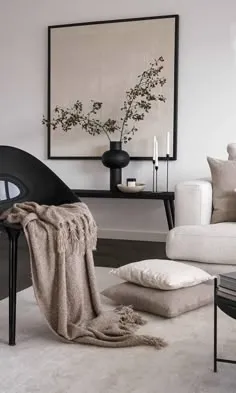
The era of endlessly layered beige, cream, and greige is losing its grip. What once felt calming now often reads as safe, flat, and emotionally neutral.
Why it’s out:
Beige stopped being a backdrop and became the entire story, and people are craving contrast, personality, and visual tension again.
What replaces it:
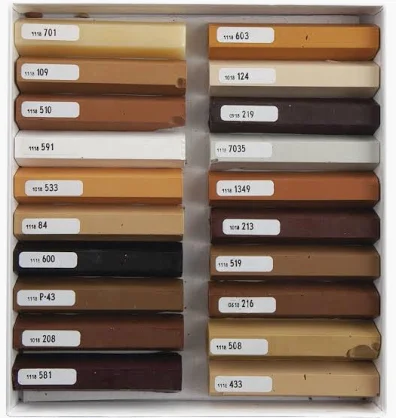
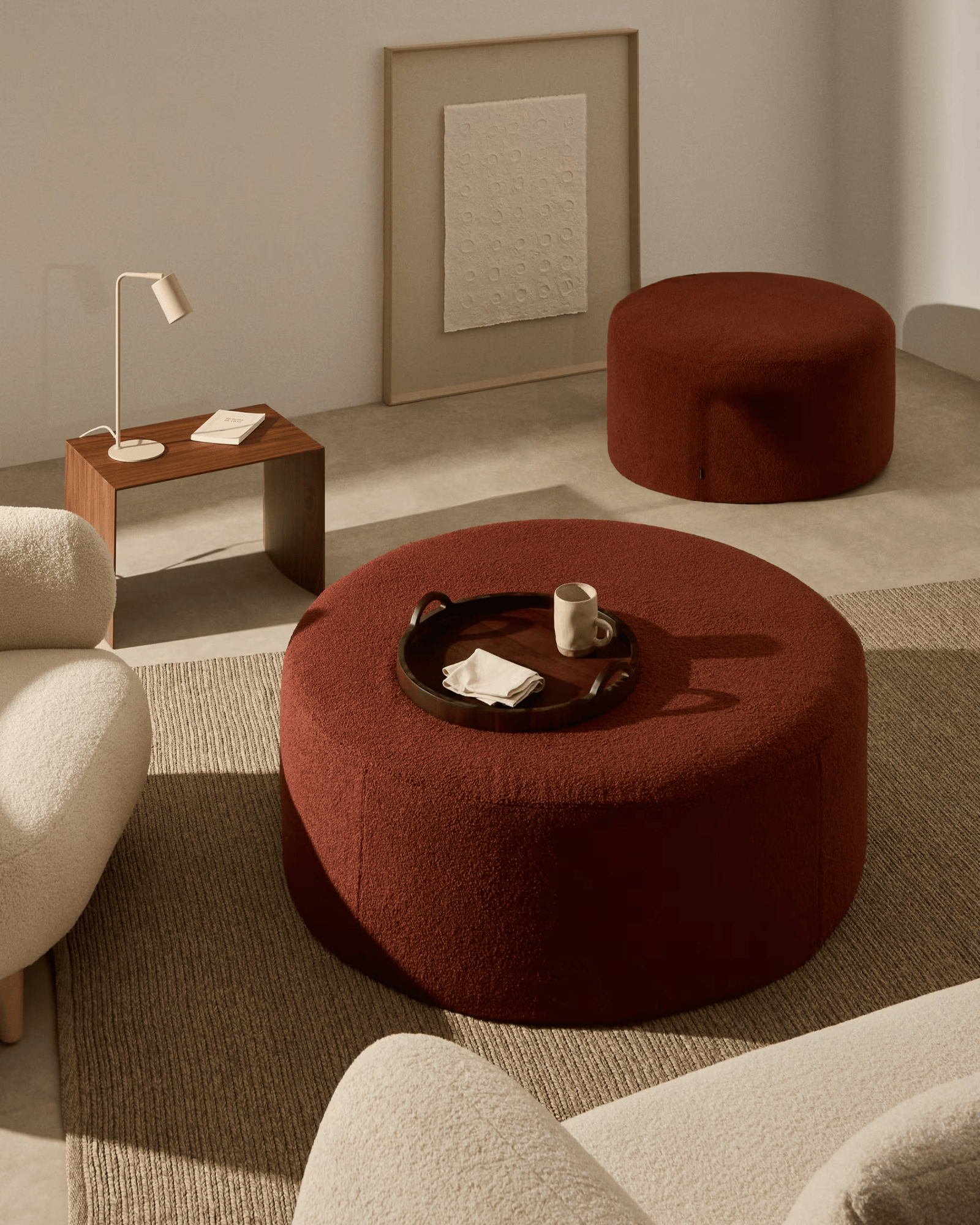
- Earth tones with depth (oxblood, olive, rust, ink blue)
- Muted colors layered with neutrals, not instead of them
- Rooms that feel lived-in, not staged
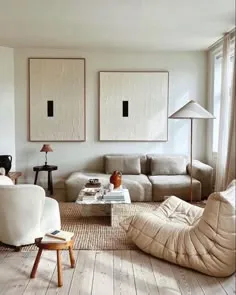
Homes Designed for Instagram, Not Living
Interiors that look flawless on a grid — but feel oddly sterile in real life — are falling out of favor.
Why it’s out:
People are tired of maintaining homes that perform better on camera than they do day-to-day. A sofa you’re afraid to sit on isn’t luxury — it’s stress.
What replaces it:
- Comfort-first layouts
- Furniture that shows wear over time
- Spaces designed around routines, not photo angles
Trend Cycling at Lightning Speed
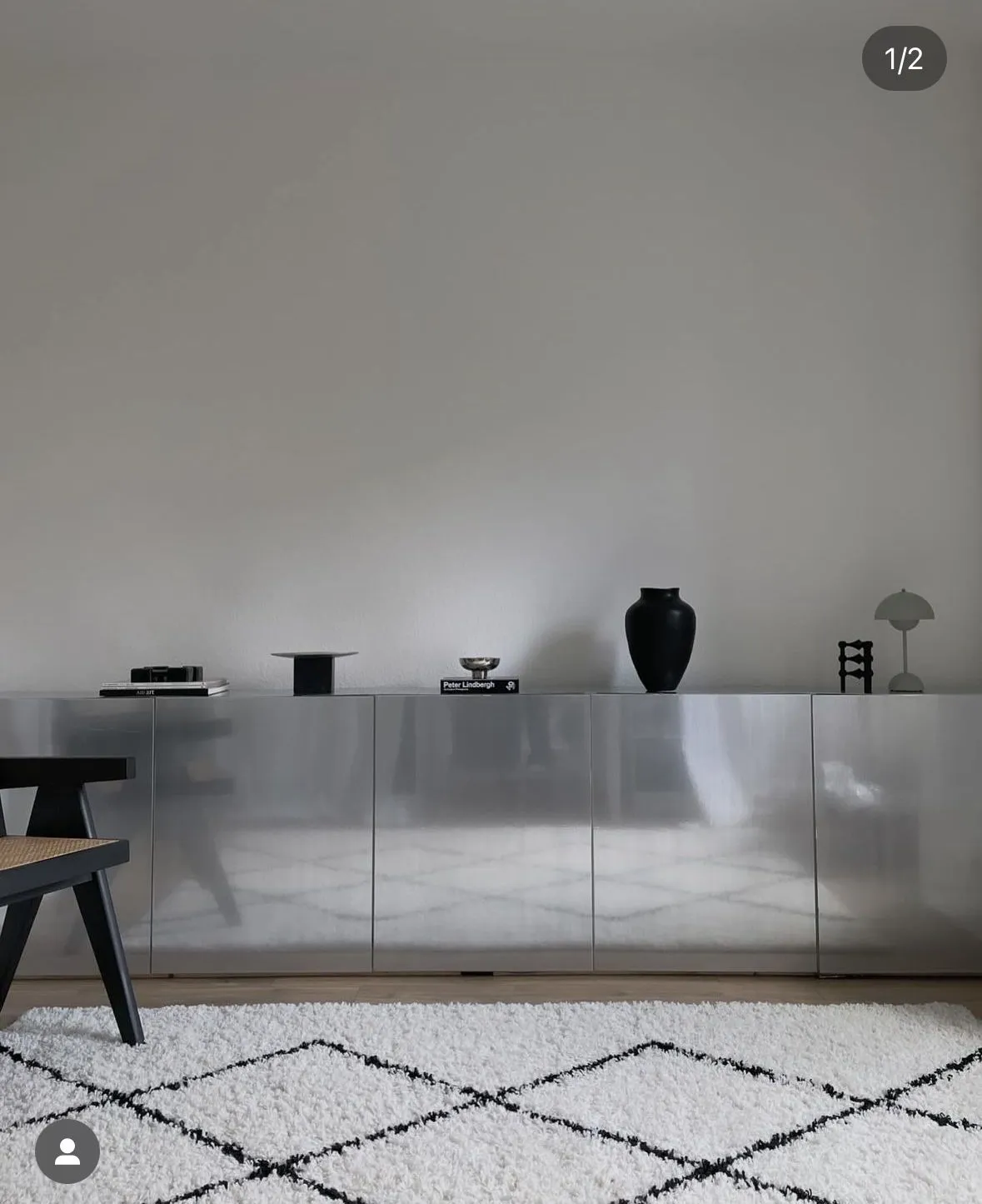
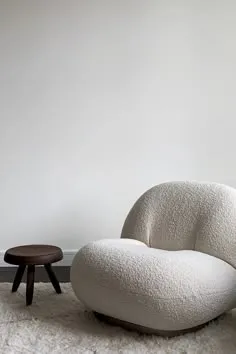
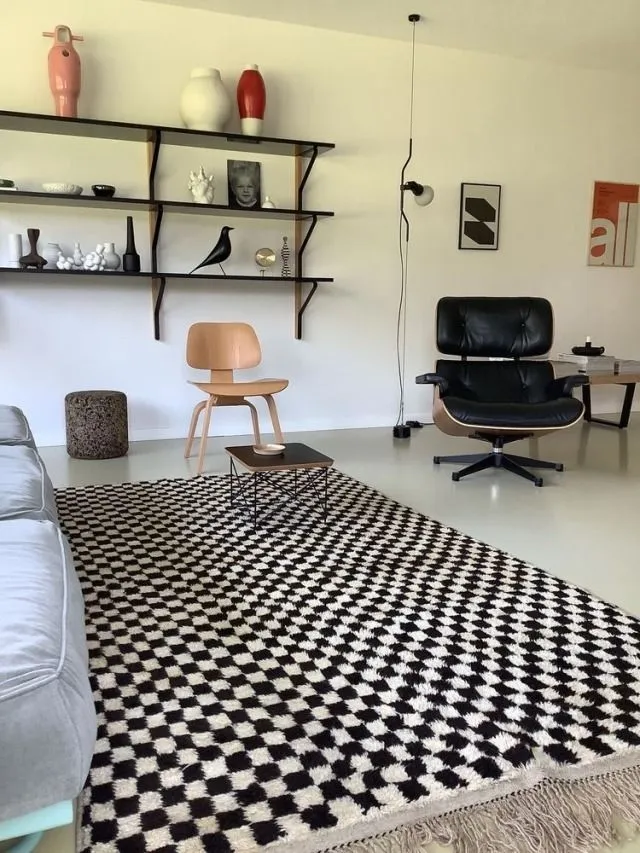
Bouclé today, checkerboard tomorrow, chrome the week after. By 2026, the exhaustion is real.
Why it’s out:
Fast trends create fast waste: financially, emotionally, and environmentally.
What replaces it:
- Slower design decisions
- Fewer statement pieces, chosen intentionally
- A return to evolving spaces instead of “finished” rooms
Open Shelving Everywhere
Once charming, now often impractical.
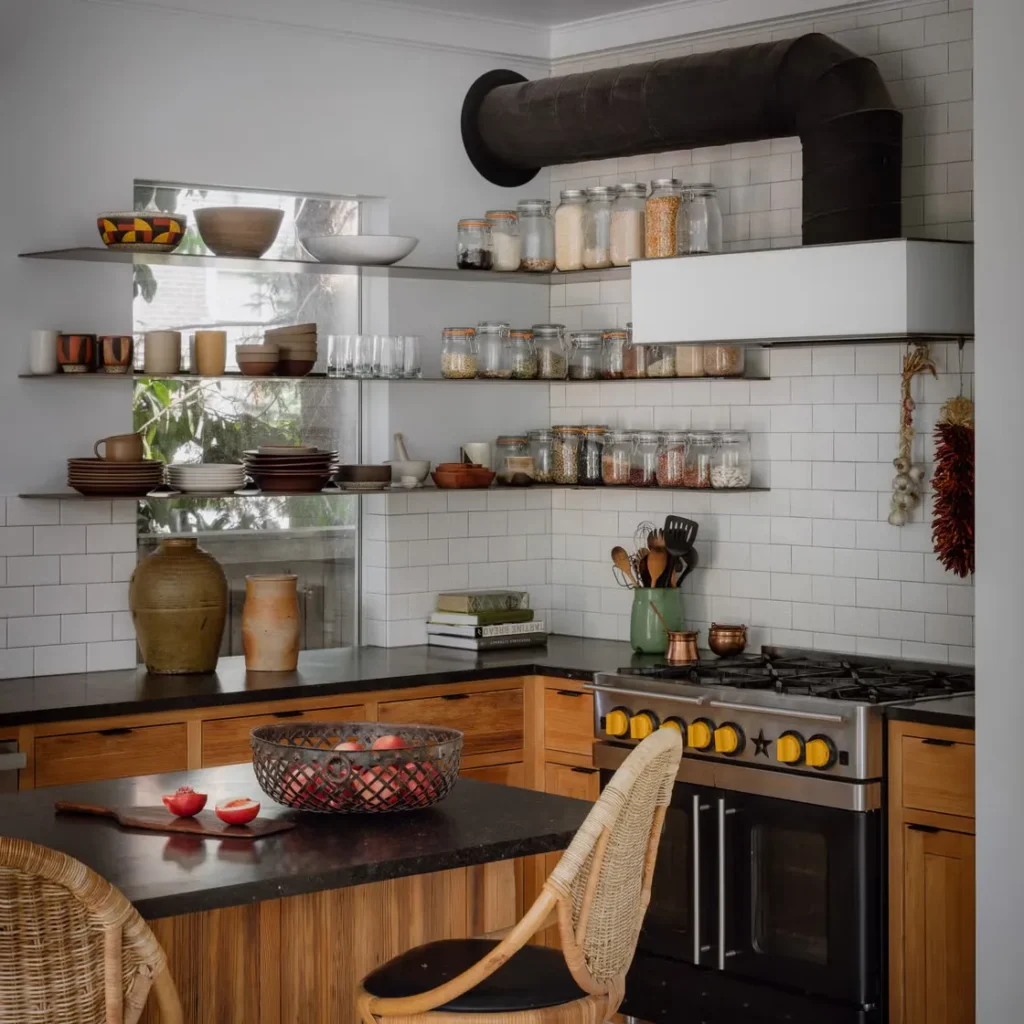
Image used for editorial inspiration. Original source unknown.
Why it’s out:
Living with open shelving means constant visual noise, dust, and the pressure to keep everything styled all the time.
What replaces it:
- Cabinetry that’s allowed to be expressive
- Closed storage with character
- Mixed storage (some open, mostly hidden)
Disposable Furniture & Ultra-Cheap Materials
Furniture designed to last a few years or a single move is increasingly at odds with how people want to live.
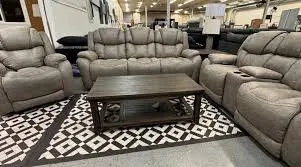
Why it’s out:
Rising costs + environmental awareness = less tolerance for throwaway pieces.
What replaces it:
- Vintage and second-hand finds
- Fewer but better-quality purchases
- Repairing, repainting, reupholstering
Overly Minimal, Personality-Free Spaces
Minimalism isn’t gone — but emptiness for the sake of aesthetics is.
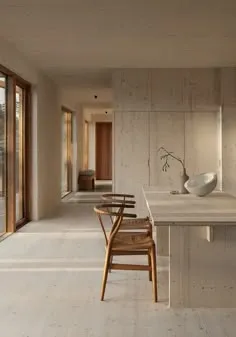
Why it’s out:
People want homes that reflect who they are, not a universal template.
What replaces it:
- Collected objects with stories
- Art that doesn’t match the sofa
- Spaces that feel layered, imperfect, and human
“One-Size-Fits-All” Layouts
Cookie-cutter layouts are losing relevance.
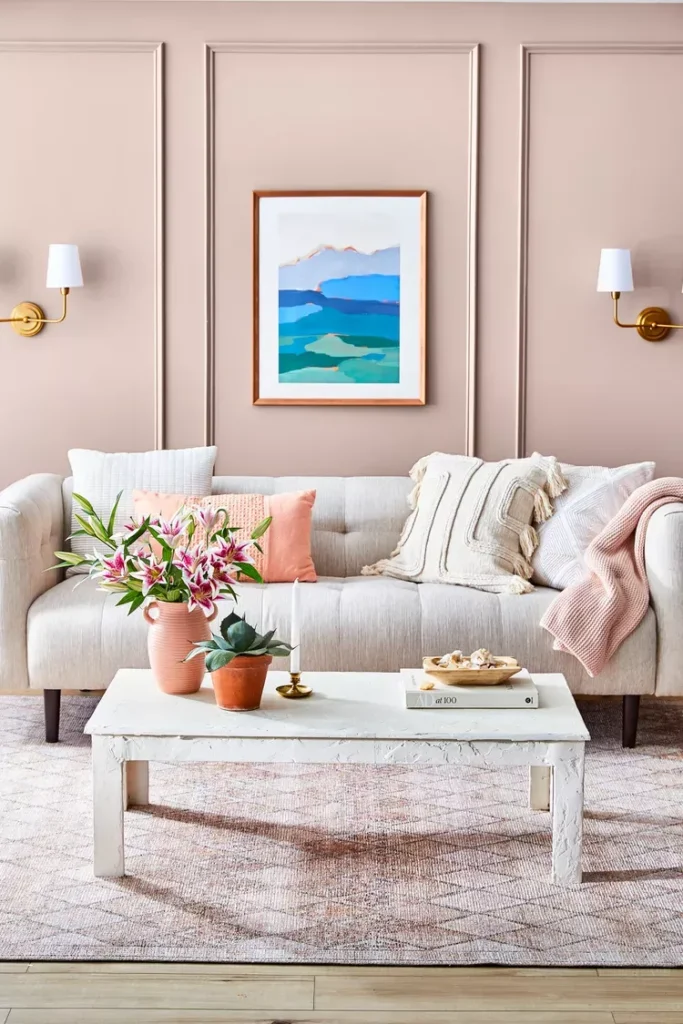
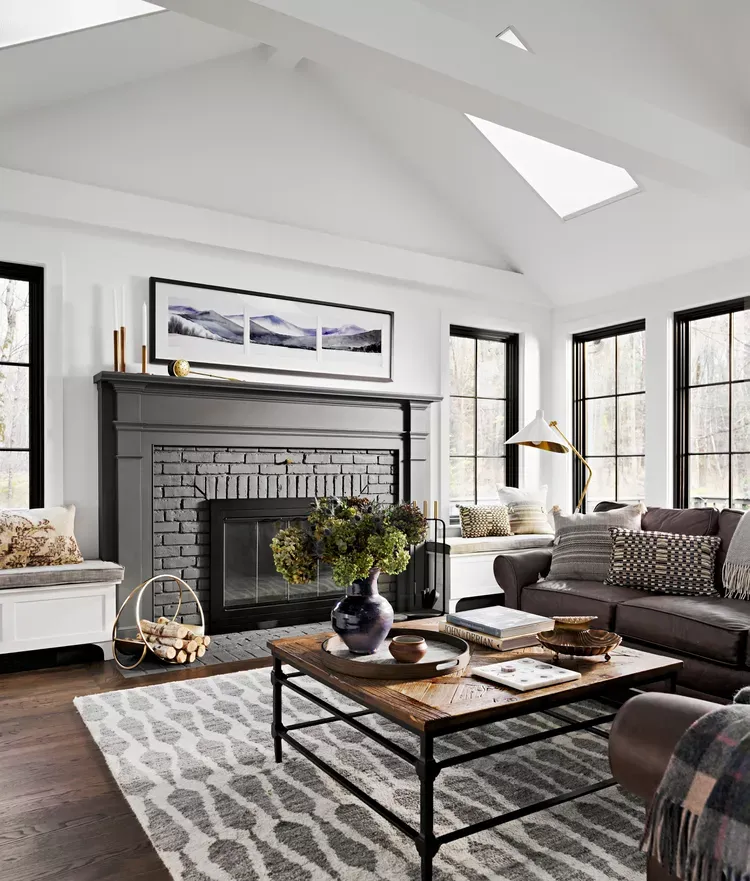
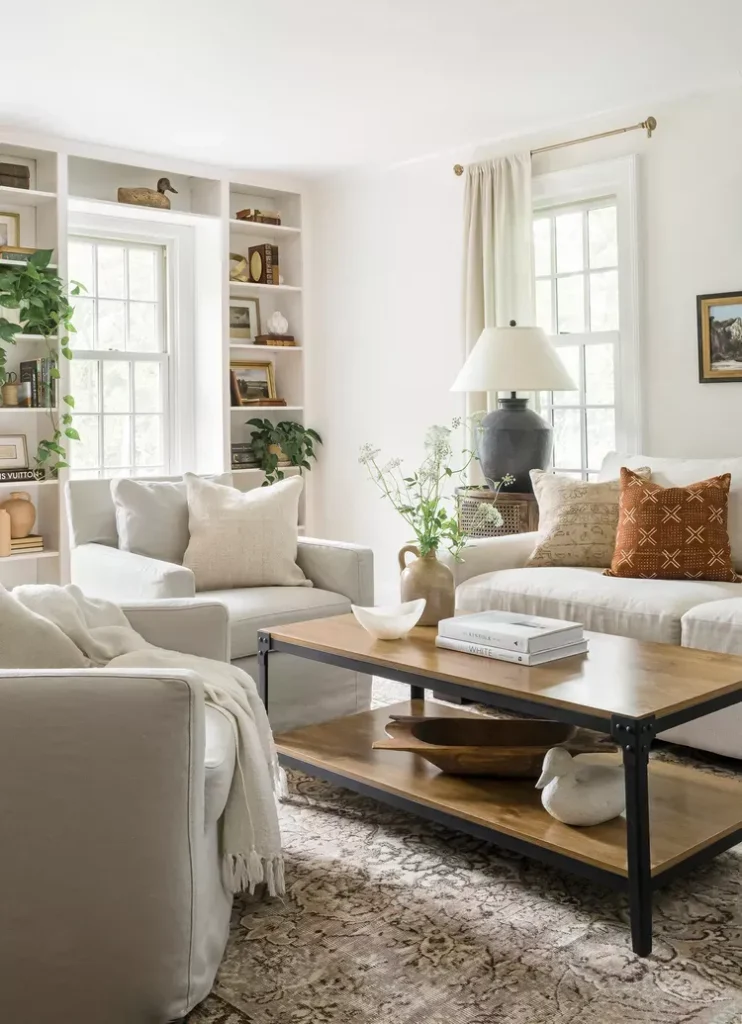
Why it’s out:
Our lives aren’t standard — so why are our homes?
What replaces it:
- Rooms designed around how you actually live
- Flexible spaces that change over time
- Function leading form (finally)
Some closing thought: 2026 Is About Integrity
Interior design in 2026 is less about trends and more about intentionality. Homes are becoming quieter, deeper, and more personal, not because it’s fashionable, but because it feels right.
The future isn’t trend-proof homes.
It’s homes that don’t need trends to feel complete. Homes that are collected, homes that are filled with objects we can live with.
Image used for editorial inspiration. Original source unknown.