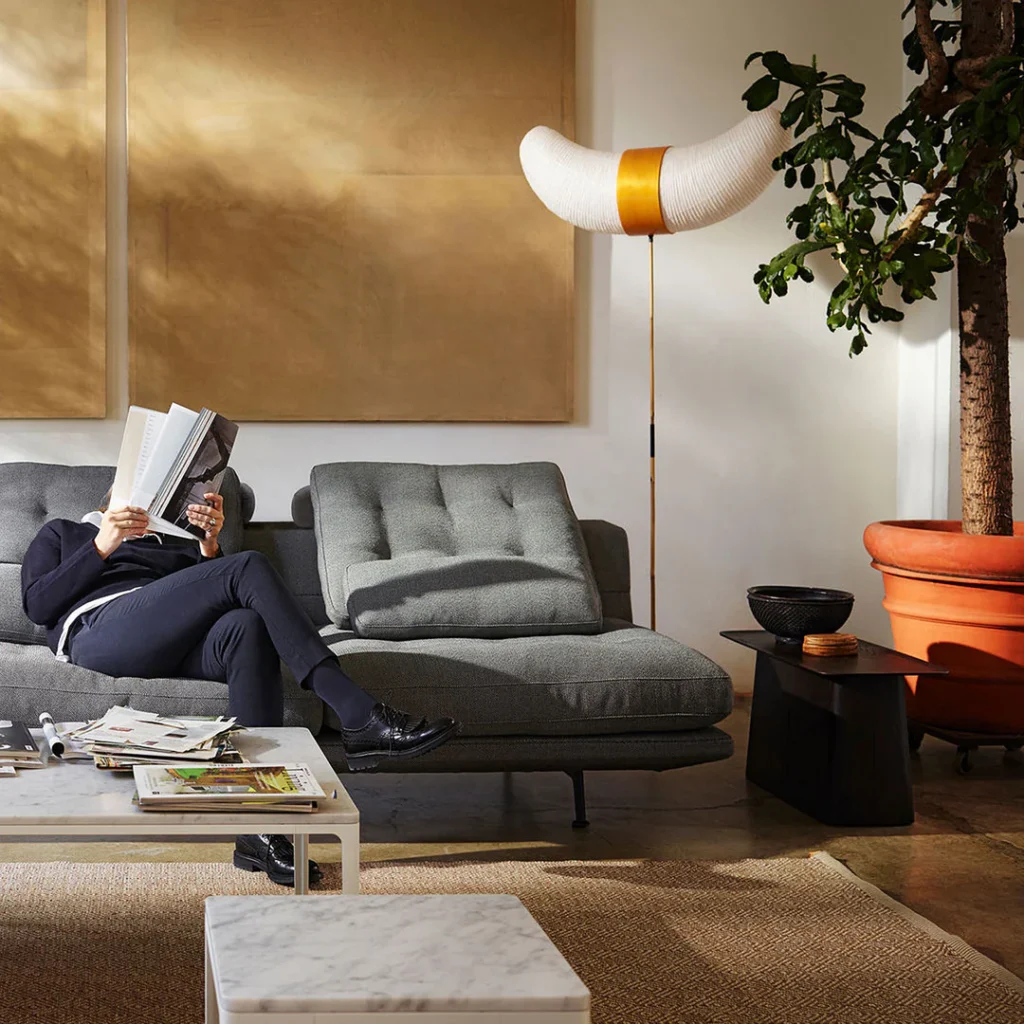
Designs that shaped how we live with light
Some lamps don’t just illuminate a space—they change how a room feels.
They introduce new ideas about material, atmosphere, engineering, and emotion.
Gatto Table Lamp (1962)
Achille & Pier Giacomo Castiglioni for Flos
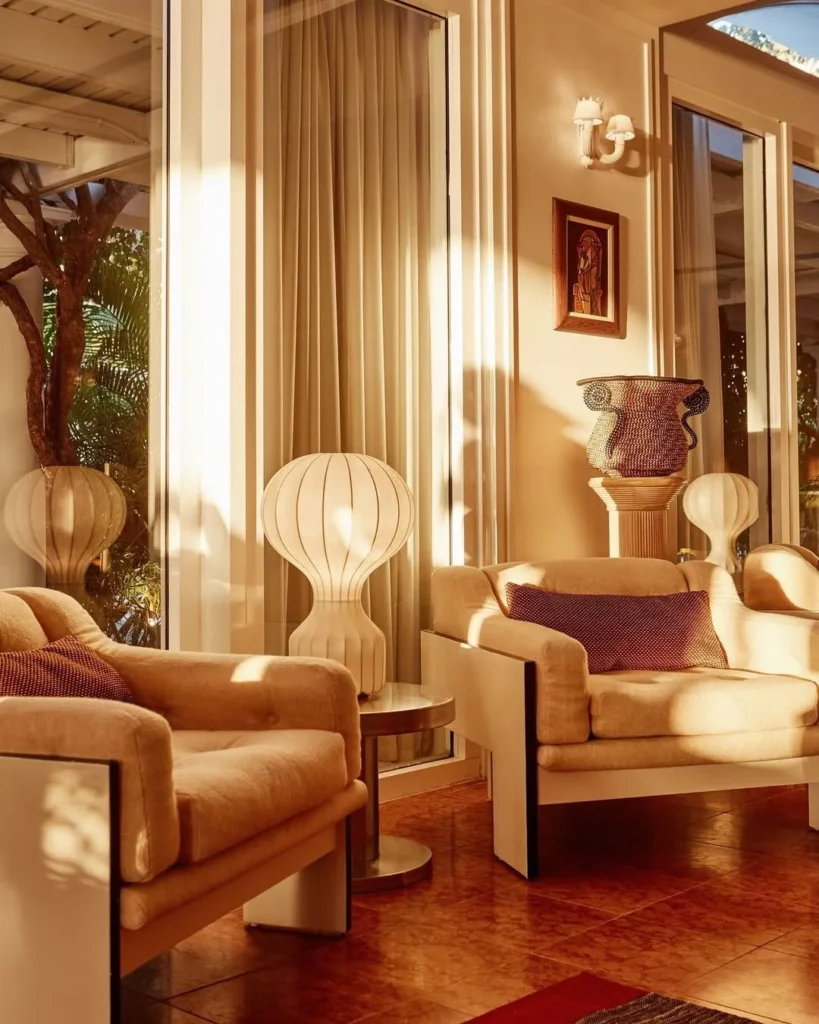
The Gatto lamp marked a turning point in how light could feel.
Instead of hard shades and visible bulbs, the Castiglioni brothers wrapped light in a soft, sprayed resin cocoon stretched over a steel structure.
Why it’s iconic:
- One of the earliest lamps to prioritise atmosphere over brightness
- Industrial materials used in a poetic, human way
- A form that feels gentle, organic, and timeless
Cocoon Hanging Lamp (1960)
Achille & Pier Giacomo Castiglioni for Flos
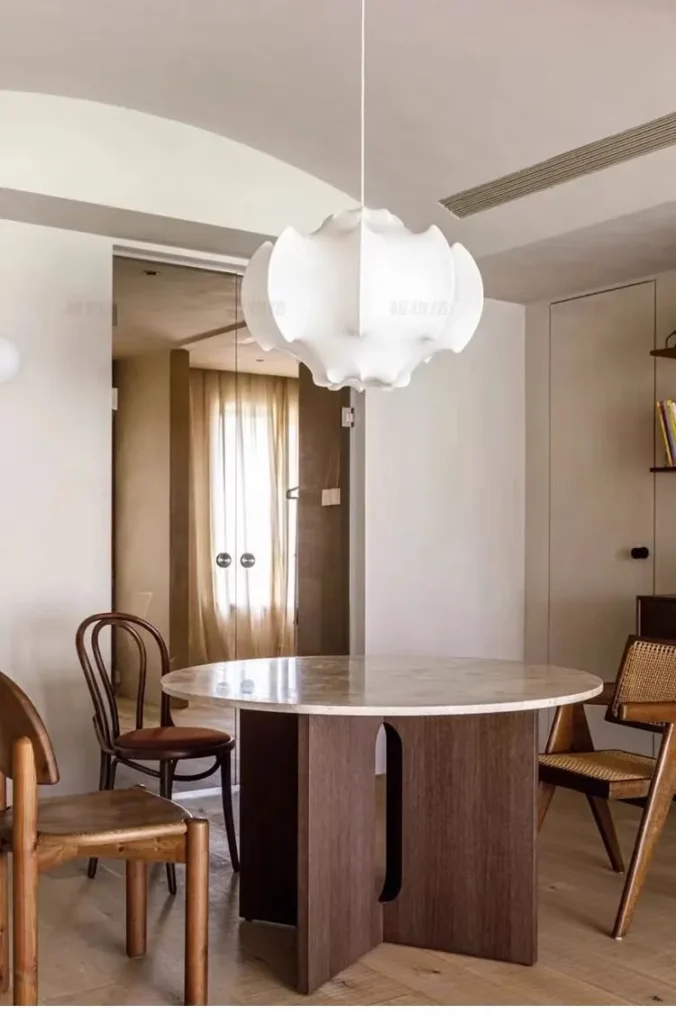
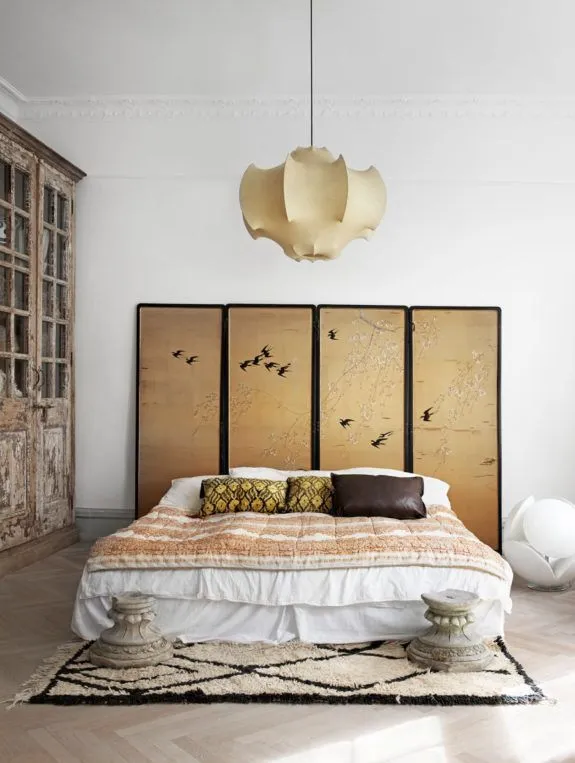
Before soft lighting was a category, there was Cocoon.
Developed using a spray-on resin technique borrowed from military technology, the lamp encloses light in a translucent, cloud-like shell.
Why it matters:
- A radical reuse of industrial technology for domestic warmth
- Early exploration of light as an emotional experience
- Still unmatched in softness and glow
Model 2DM Hanging Light (1964)
Verner Panton
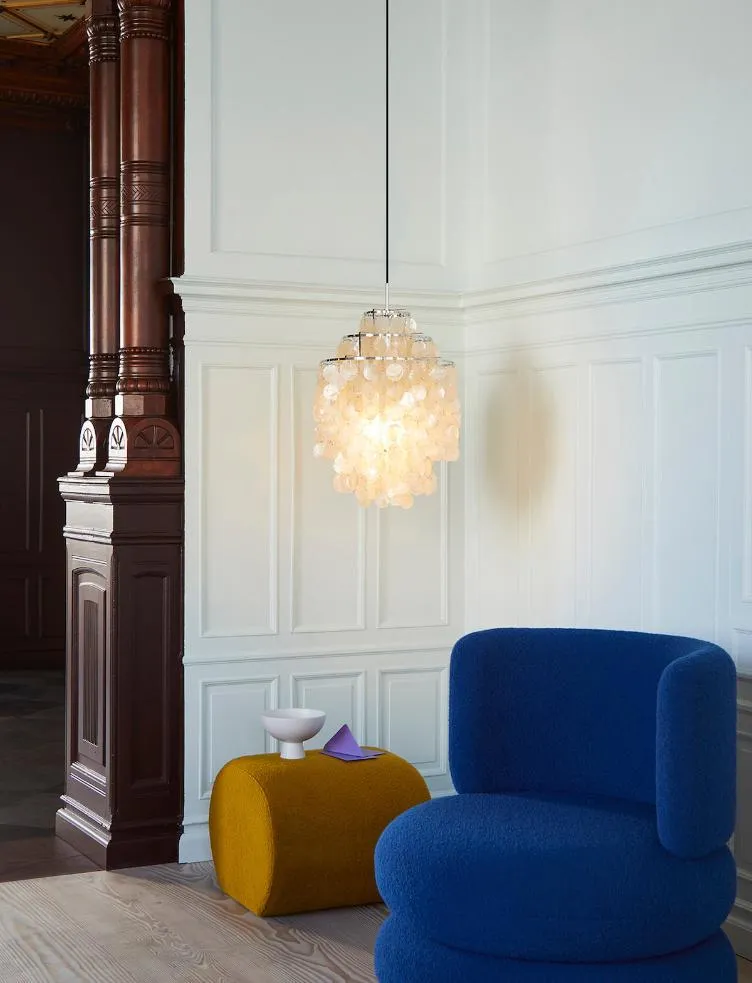
The Model 2DM pendant captures Panton’s belief that lighting should be expressive.
It’s sculptural, graphic, and unapologetically bold — a clear break from restrained modernism.
Why it’s iconic:
- Lighting as visual identity
- A strong sculptural silhouette
- Still reads as confident and contemporary
PH Artichoke Hanging Light (1957)
Poul Henningsen for Louis Poulsen
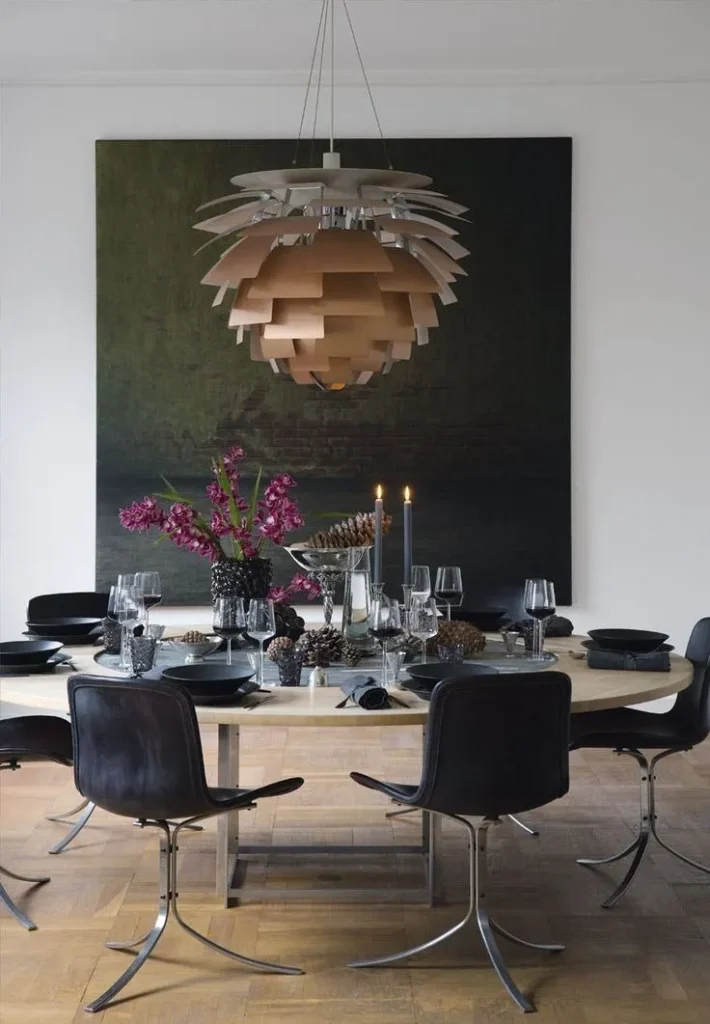
Possibly the most engineered pendant lamp ever designed.
The Artichoke’s layered metal “leaves” eliminate glare from every angle, creating soft, perfectly balanced light.
Why it endures:
- A pure example of form following function
- Engineering elevated to visual beauty
- One of the most recognisable pendants in design history
Shogun Table Lamp (1986)
Mario Botta for Artemide
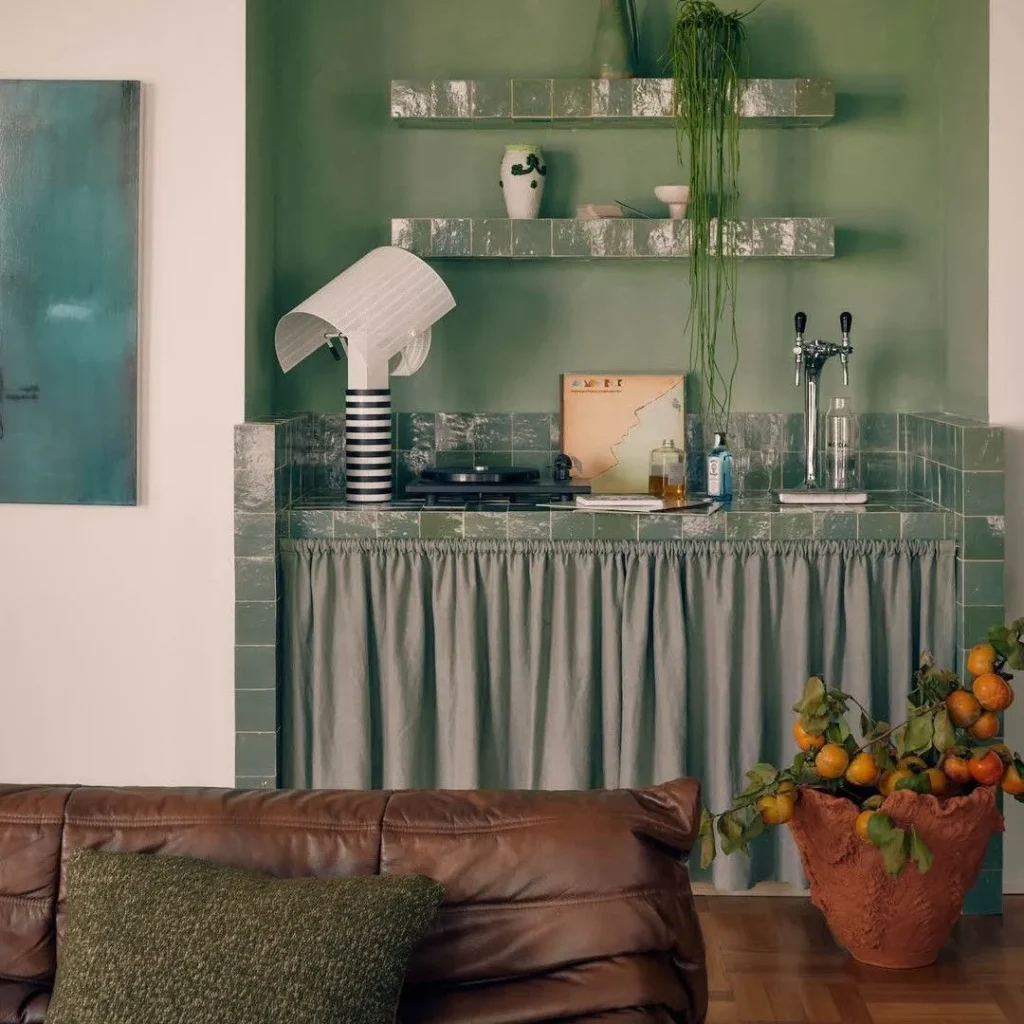
Designed by architect Mario Botta, the Shogun lamp feels architectural rather than decorative.
Its black-and-white striped diffuser is adjustable, allowing control over both light and shadow.
Why it stands out:
- Strong architectural language
- Bold contrast and geometry
- A confident postmodern statement
Akari 33S-BB3 Floor Light (1960)
Isamu Noguchi
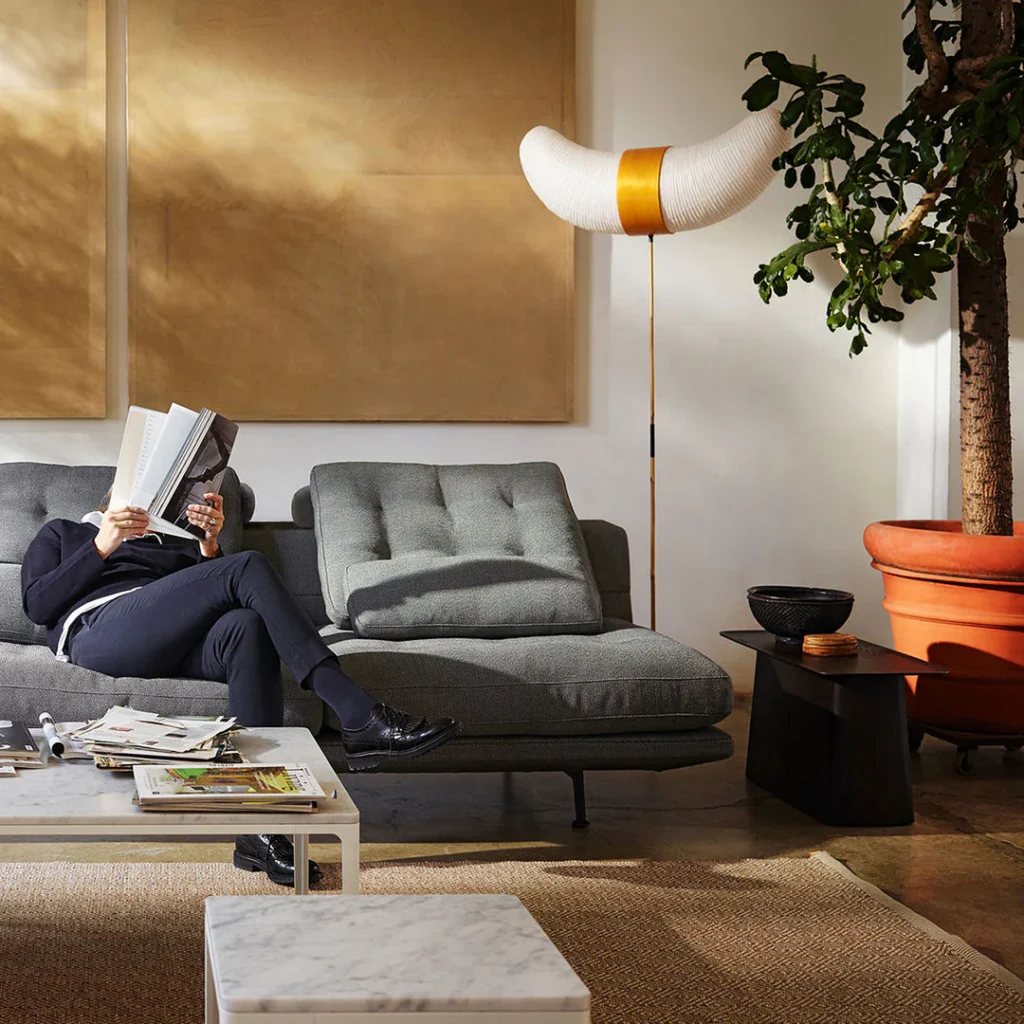
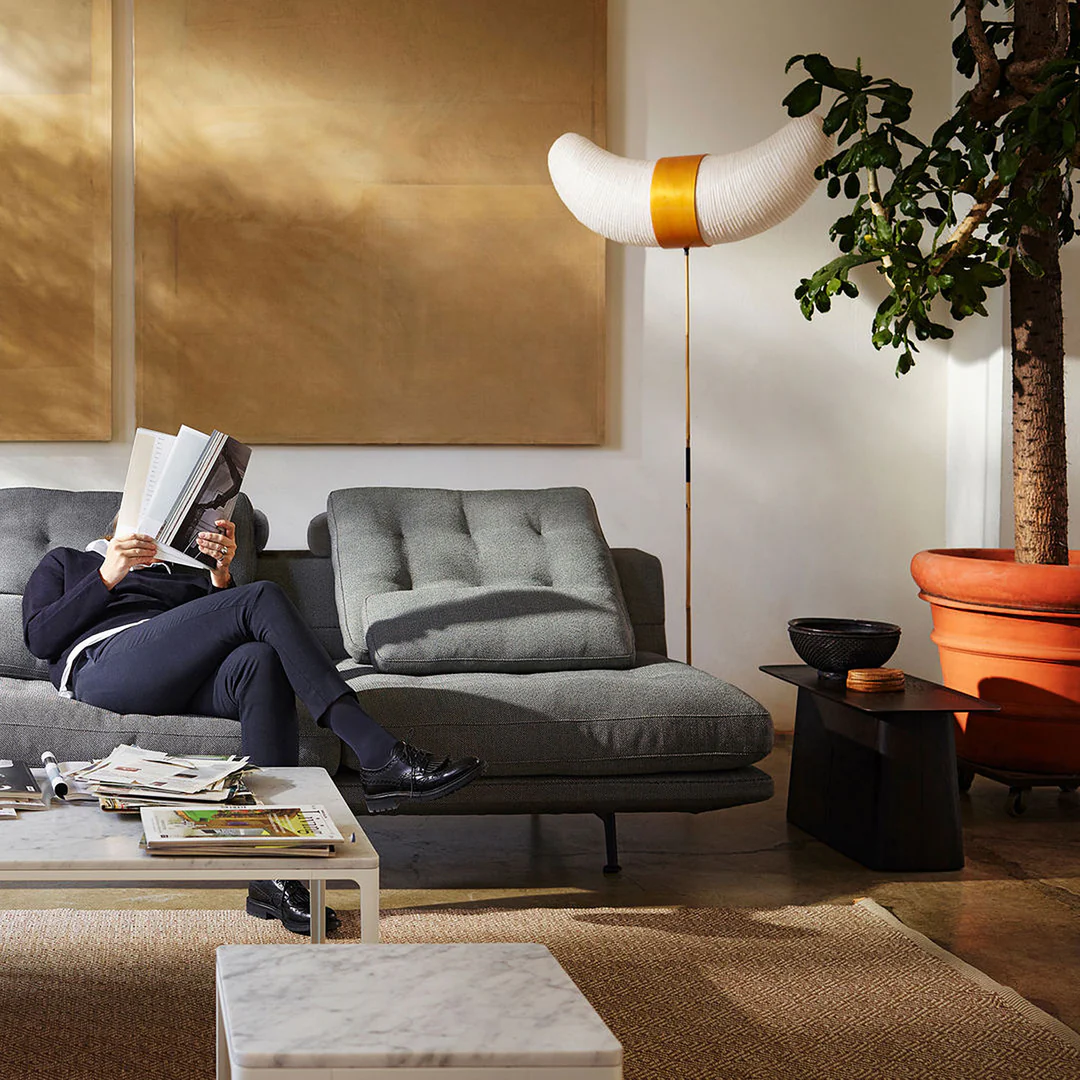
Noguchi described Akari lamps as “light sculptures.”
Made from handmade washi paper and bamboo ribbing, the 33S-BB3 emits a soft, weightless glow that feels calm and deeply human.
Why it’s timeless:
- A fusion of Japanese craft and modernist form
- Light as sculpture, not fixture
- Emotional rather than technical
Why These Lamps Still Matter
Across decades and design movements, these lamps share one thing: clarity of intention. Each one begins with a problem worth solving, then commits to a single idea so fully that the result feels inevitable. That’s why they still read as “right,” even as tastes change.
They also remind us that lighting isn’t an accessory. It shapes atmosphere, scale, and mood more than almost any other object in a room. These pieces endure because they were designed to do that job beautifully, for a long time, without relying on trend language.