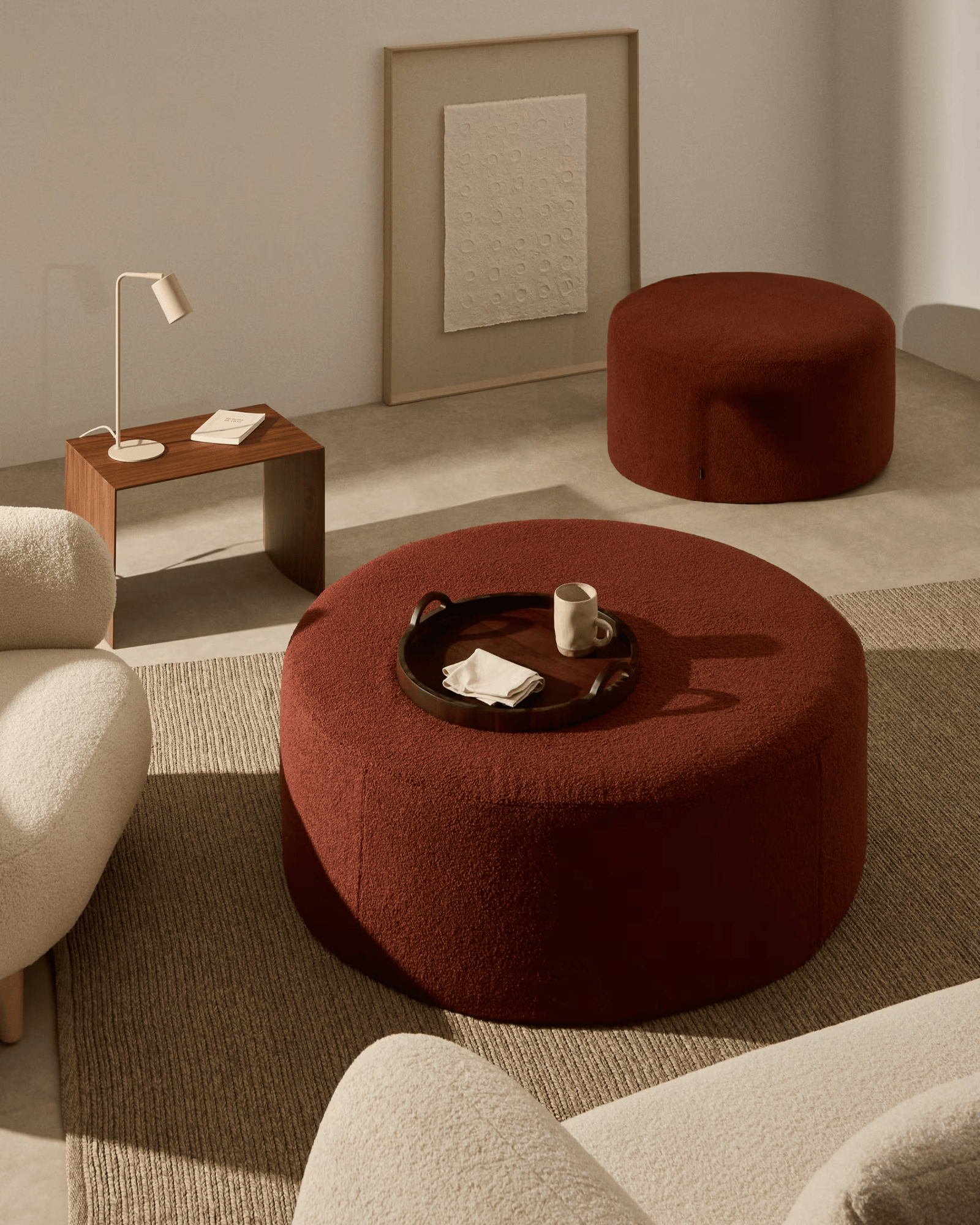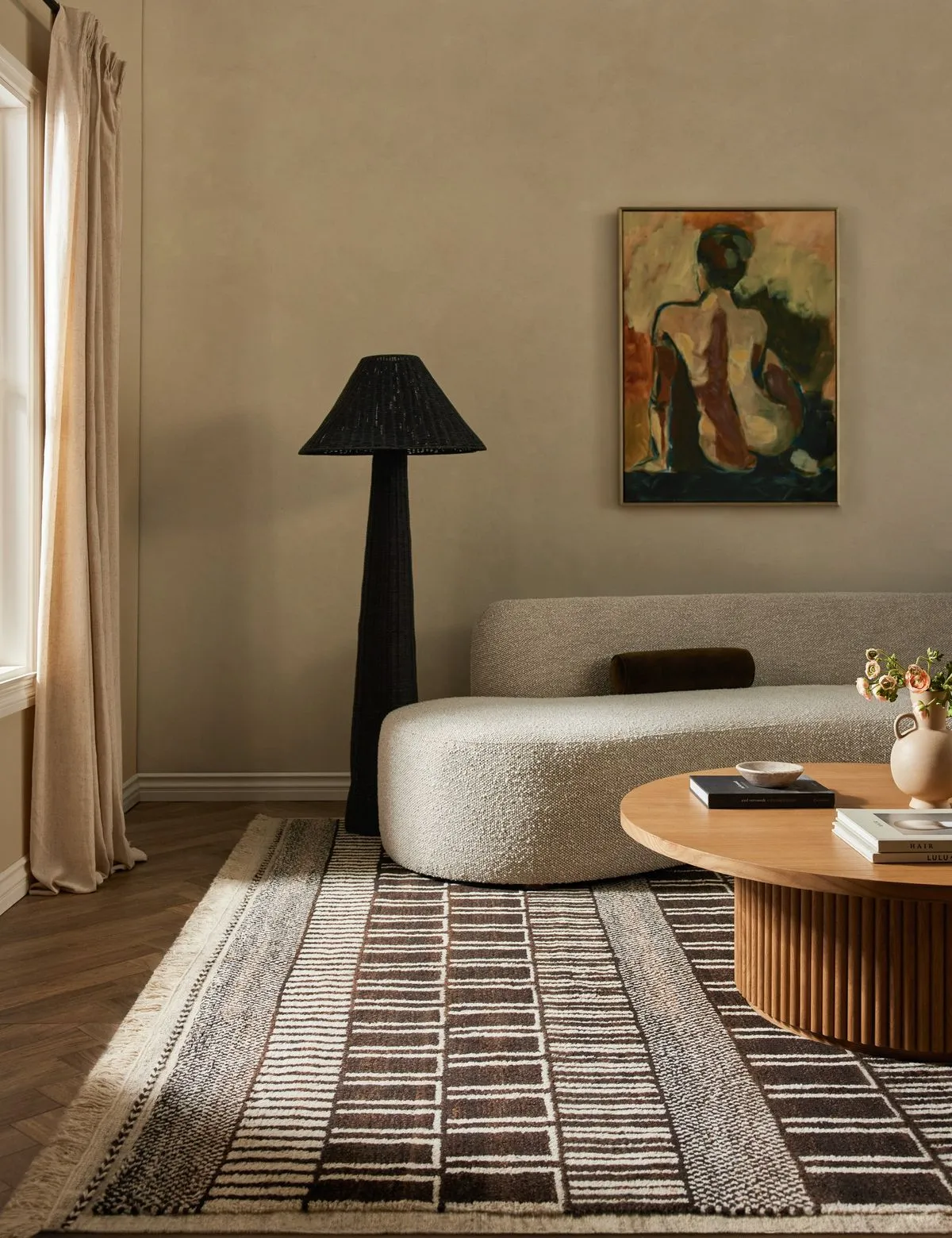
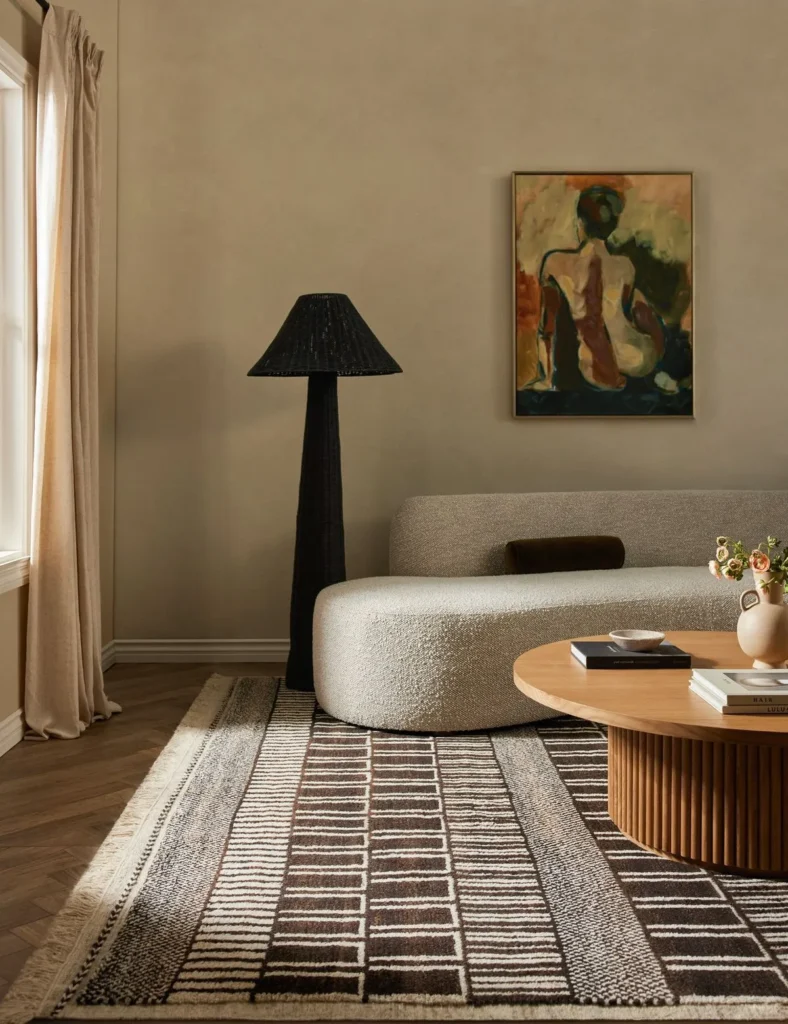
You know the feeling.
Your home is totally fine. Cozy, functional, yours.
Then you scroll. And suddenly: the couch feels wrong, the corner feels cluttered, the walls feel “unfinished,” and you start noticing flaws no guest would ever clock.
That shift is what people call house dysmorphia: when constant exposure to perfect, staged interiors distorts how you see your own space and makes it harder to actually enjoy living there.
This isn’t about wanting a nice home. It’s about when your home turns into something you’re constantly judging.
What house dysmorphia looks like
It often shows up as:
- Feeling like your home is never “ready”
- Fixating on tiny details (a lamp, a rug edge, a shelf) like they’re huge problems
- Taking photos and thinking “ugh… not like the ones online”
- Delaying hosting until everything is styled and perfect
- Designing for the camera, not for your day-to-day comfort
The biggest sign?
Your home stops being a place you live, and becomes a project you’re trying to prove.
Why social media pressure hits so hard
You’re comparing your real life to someone else’s highlight reel
Online homes are usually:
- staged after a cleanup
- shot at the perfect time of day
- styled with intention
- photographed from the most flattering angle
But your home is a living space. It has laundry, cables, crumbs, half-read books, real routines. When you compare the two, your brain starts calling “real” a failure.
The invisible audience moves in
Even if you never post your home, social media can plant a mental viewer in the room.
You start seeing your space through imagined judgment:
- “Would this look good in a photo?”
- “Is this ‘nice enough’?”
- “What would people think?”
So your home shifts from comfort to performance.
Perfectionism creates house shame
When you feel like your home has to meet a certain standard, you start postponing life:
- “I’ll invite people once the living room is done.”
- “I’ll host once I fix the entryway.”
- “I’ll feel settled once I buy the right pieces.”
Except the “right” standard keeps moving, so you don’t get to relax.
The algorithm makes everything look the same
Trends travel fast online. One “internet aesthetic” blows up and suddenly every home starts echoing it.
That can make your own taste feel “wrong” if it doesn’t match what’s trending. But the truth is: a home that looks like everyone else’s isn’t automatically better. It’s just more familiar to the feed.
You start prioritizing photos over feelings
The camera loves:
- emptiness
- symmetry
- clean surfaces
- “untouchable” styling
A human nervous system loves:
- soft light where you sit
- good flow through the room
- warmth, texture, ease
- objects that tell a story
When you design mainly for the photo, your home can look “better” and feel worse.
Why it ruins domestic enjoyment
Because it discourages signs of life.
A truly enjoyable home isn’t a showroom. It’s a place that can handle:
- people dropping by
- dinners that get messy
- routines that aren’t aesthetic
- furniture that moves around over time
When social media convinces you that “perfect” is the goal, you lose the main reward of home: comfort, connection, and belonging.
How to reclaim your home (without quitting social media)
Ask a better question
Instead of “Would this photograph well?” try:
- “Would this make my day easier?”
- “Would I actually use this?”
- “Would I feel calmer here?”
Make one “no-performance zone”
Choose one area you stop curating:
- a chair that can hold clothes
- a shelf that stays practical
- a coffee table that’s allowed to look lived-in
It’s a small rebellion that makes your home feel real again.
Host before it’s perfect
Nothing cures house dysmorphia faster than real people in your space.
Your home becomes a place for connection, not evaluation.
Keep one “weird, true” thing
One object that is undeniably you:
- a bold artwork
- a vintage find
- a color choice you love even if it’s not trending
- something sentimental that doesn’t “match”
This is how you escape copy-paste interiors without making your home chaotic.
Do a “comfort audit,” not a style audit
Once a week, notice:
- Where do I want softer light?
- Where does sound echo?
- Where do I feel tense vs. relaxed?
- What corner feels good at night?
Design from the body. Not from the feed.
Curate your feed like it’s mental nutrition
If certain accounts consistently make you spiral, mute them. Even if they’re “beautiful.”
Your brain is not broken. It’s responding to inputs.
The reframe that changes everything
Your home is not content.
It’s not a set. It’s not a brand moodboard. It’s not something you need to justify.
It’s a relationship you live inside every day.
The goal isn’t a perfect home.
The goal is a home that feels like relief when you walk in.