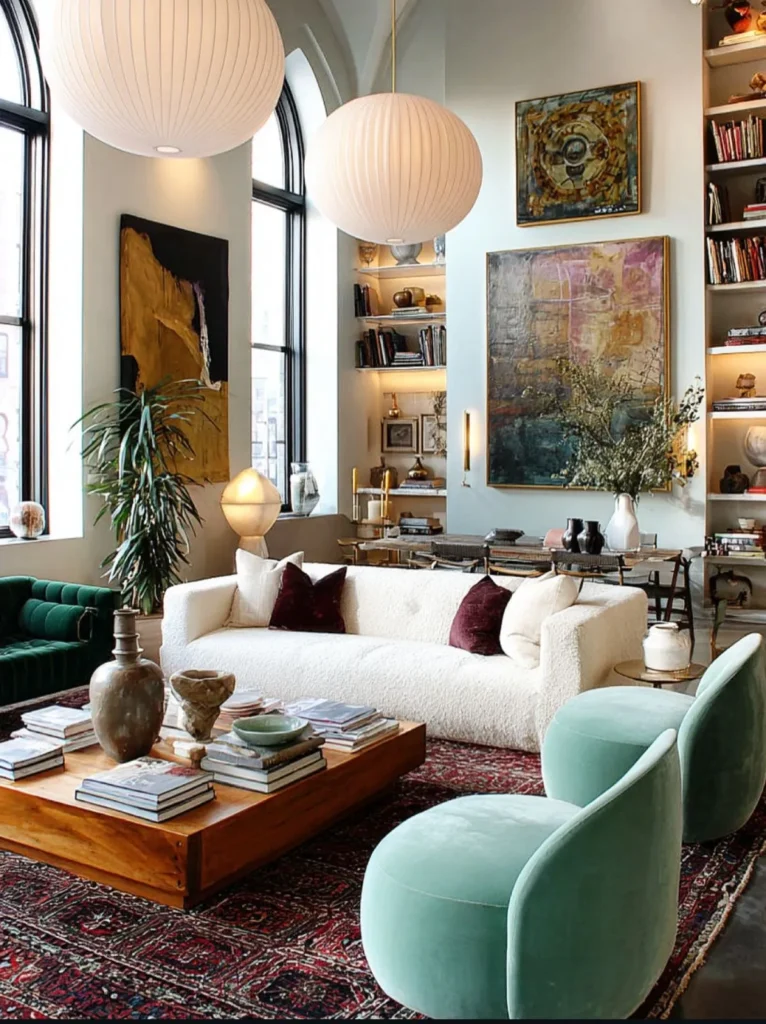
These are the ideas shaping homes that feel relevant now and still will years from now.
Layered Neutrals with Contrast
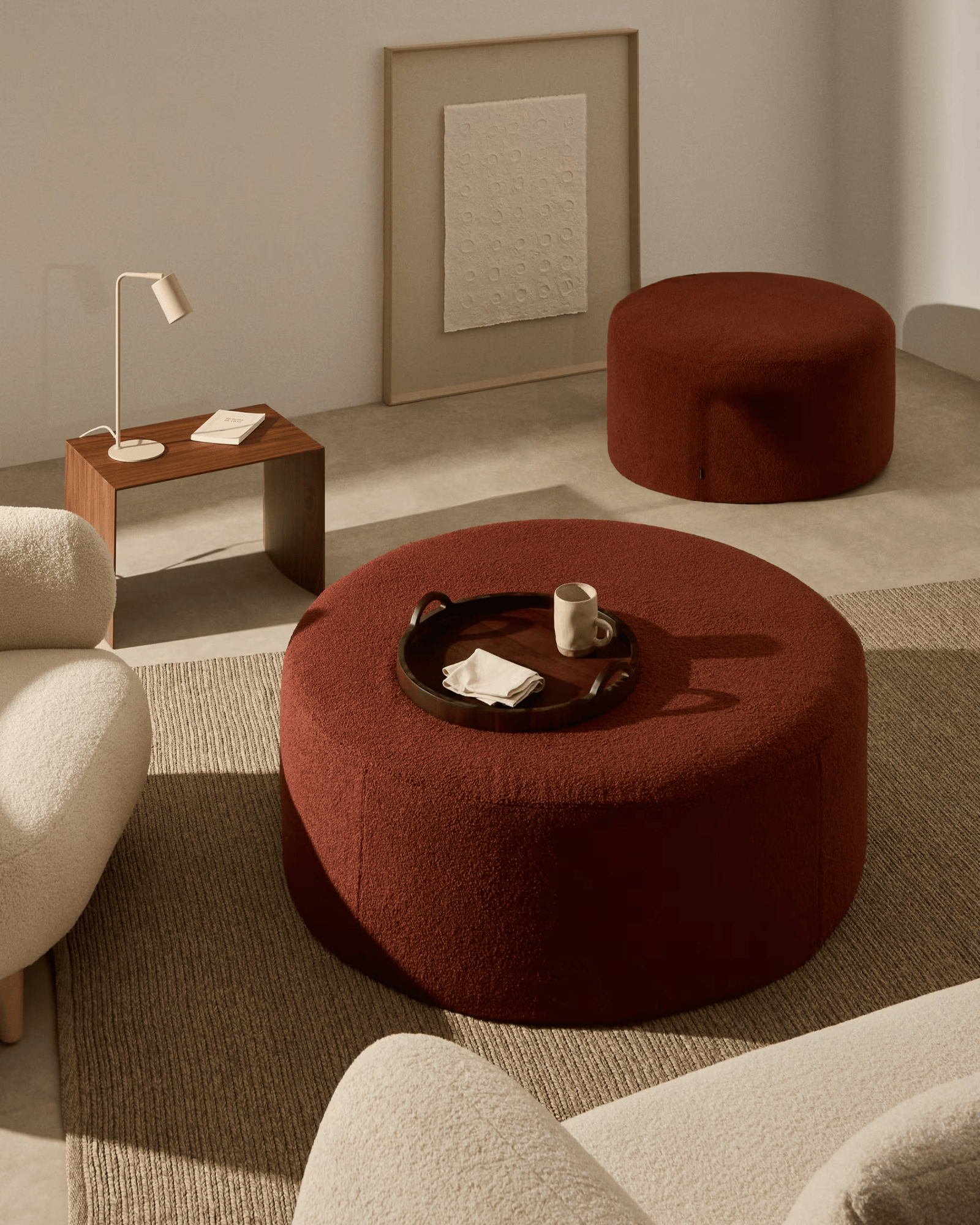
Neutrals aren’t going anywhere but flat, one-note palettes are. In 2026, neutrals gain depth through contrast: light and dark, warm and cool, matte and soft sheen.
Think stone next to wood, chalky walls against deeper accents, calm surfaces interrupted by something slightly unexpected. The goal isn’t drama but tension that keeps a room alive.
Vintage and Modern, Side by Side
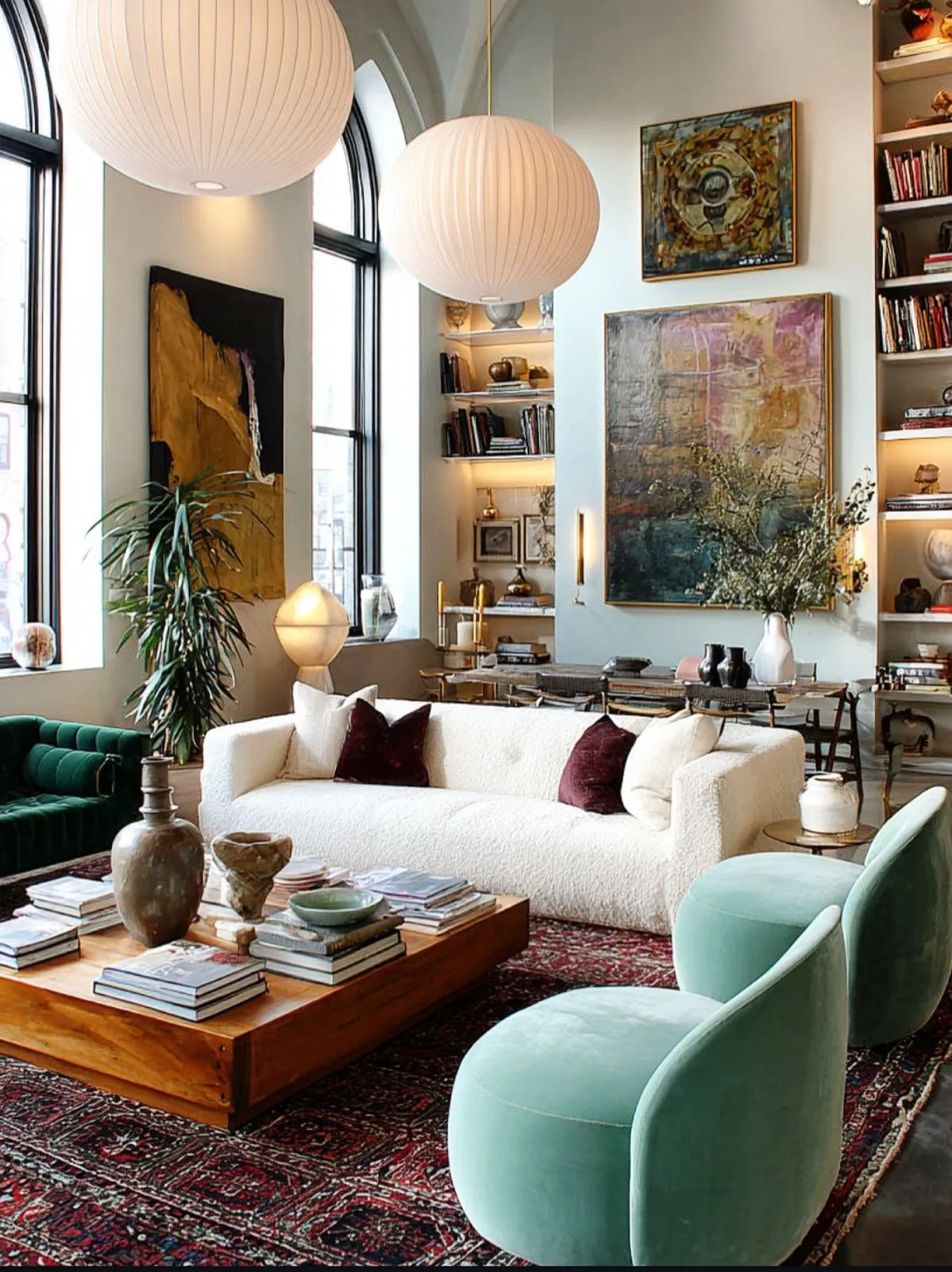
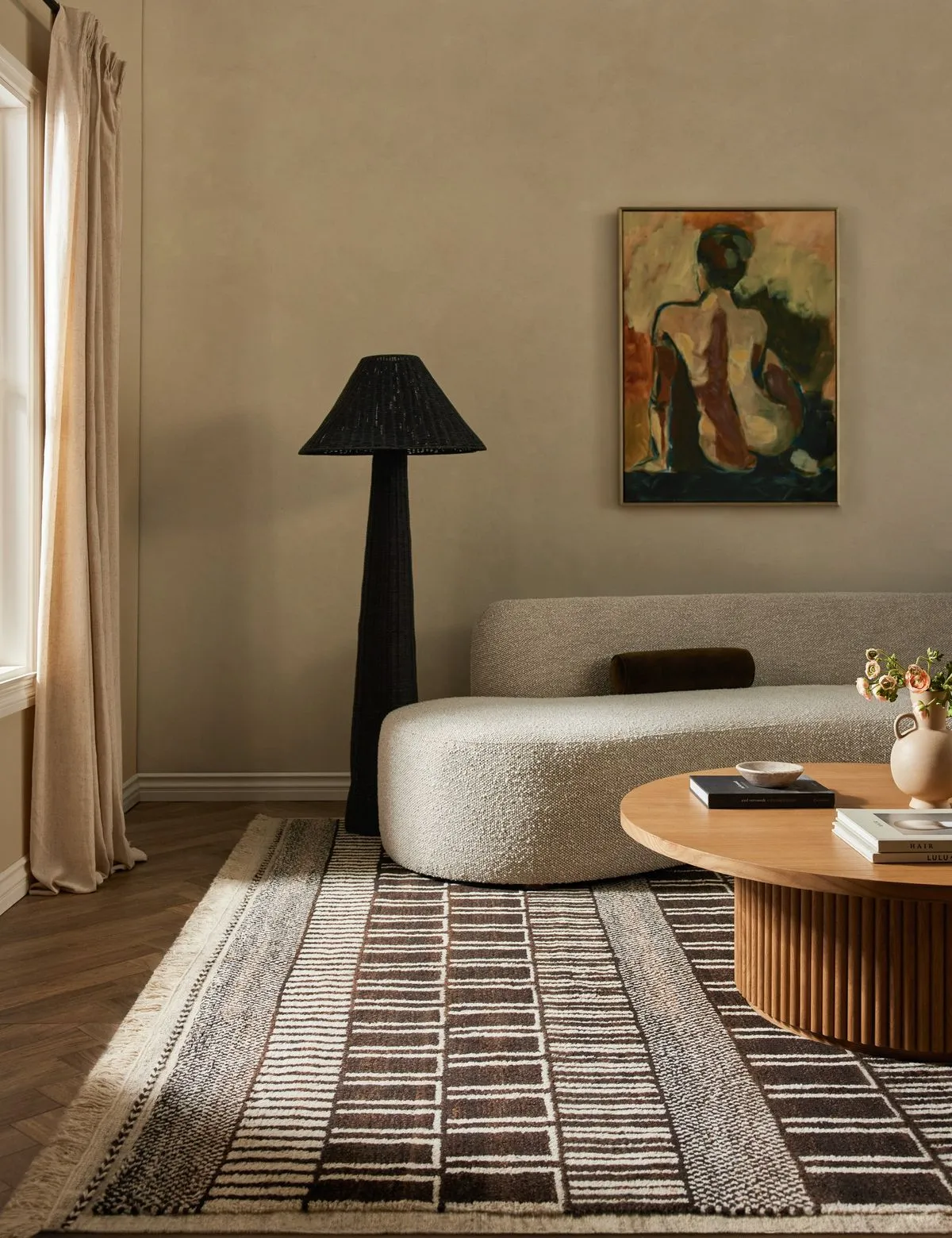
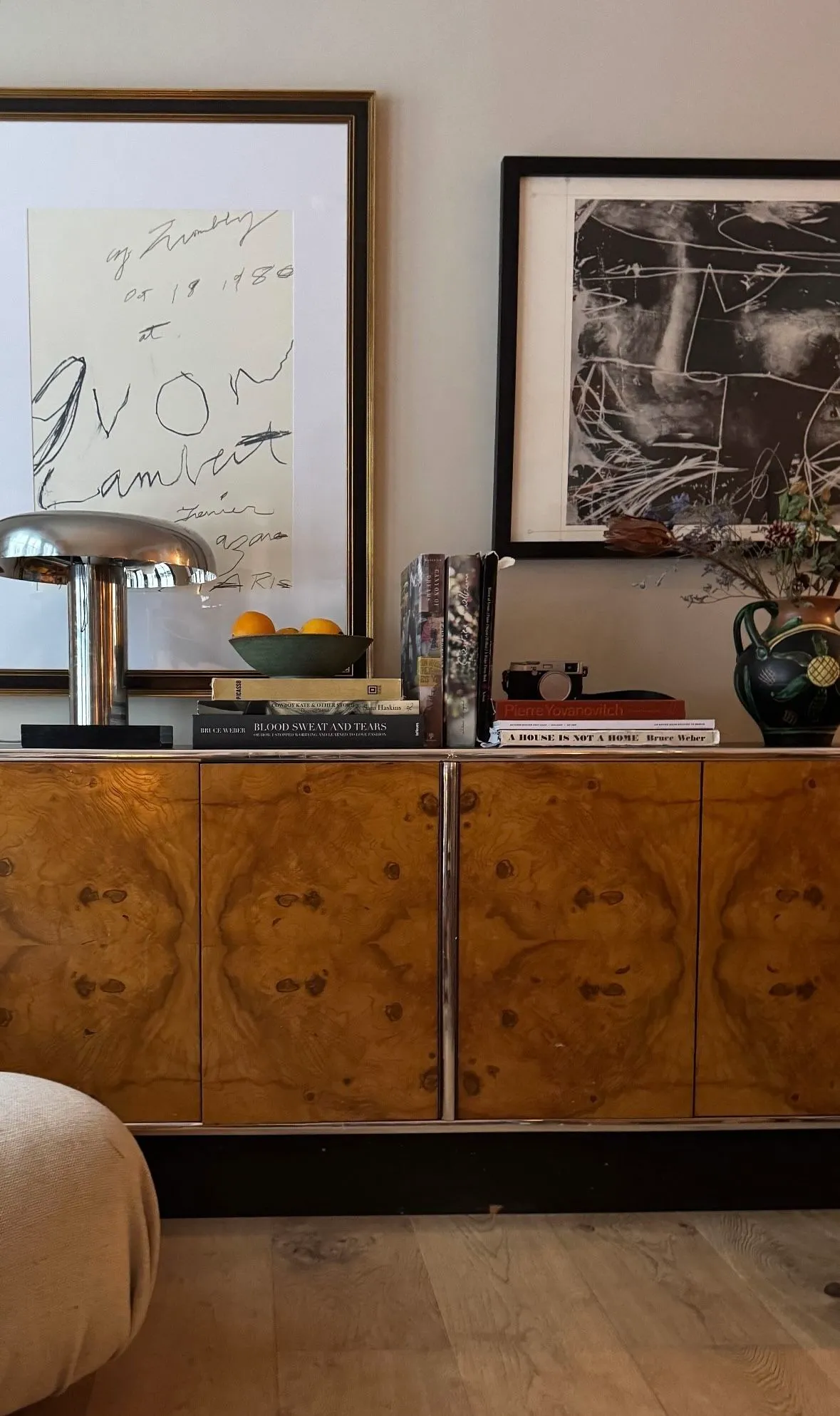
Perfectly matched interiors feel increasingly impersonal. What’s in is the mix: old with new, inherited with intentional, refined with slightly rough.
Vintage pieces bring soul and history; modern elements add clarity and restraint. Together, they create spaces that feel collected over time — not installed in one afternoon.
Patina, Wear, and Imperfection
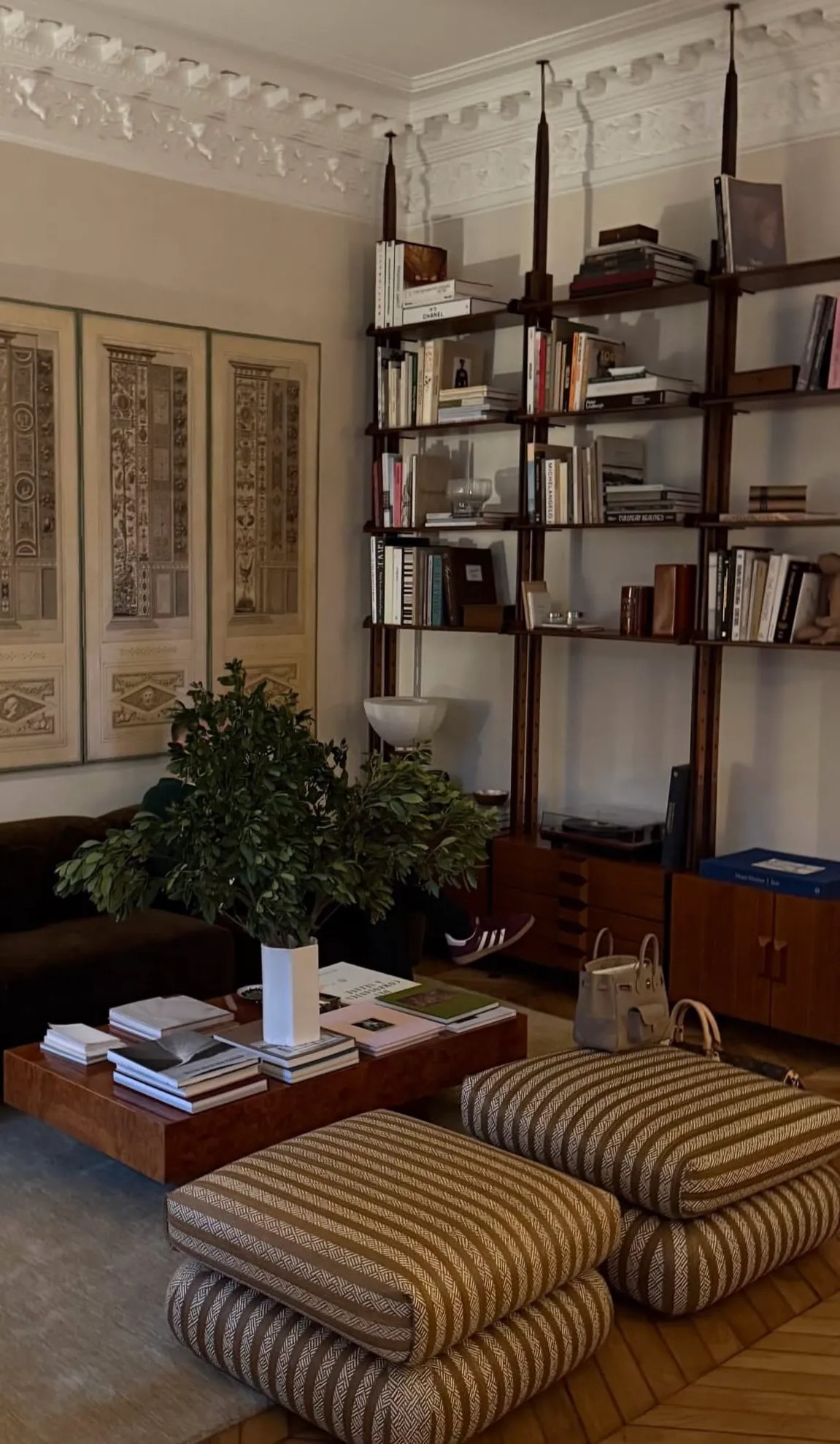
Shiny, untouched surfaces are losing their appeal. In their place: materials that age, soften, and show life.
Small scratches, softened edges, worn textiles: these aren’t flaws. They’re proof that a home is being lived in. In 2026, perfection feels less luxurious than authenticity.
Storage That Hides Real Life
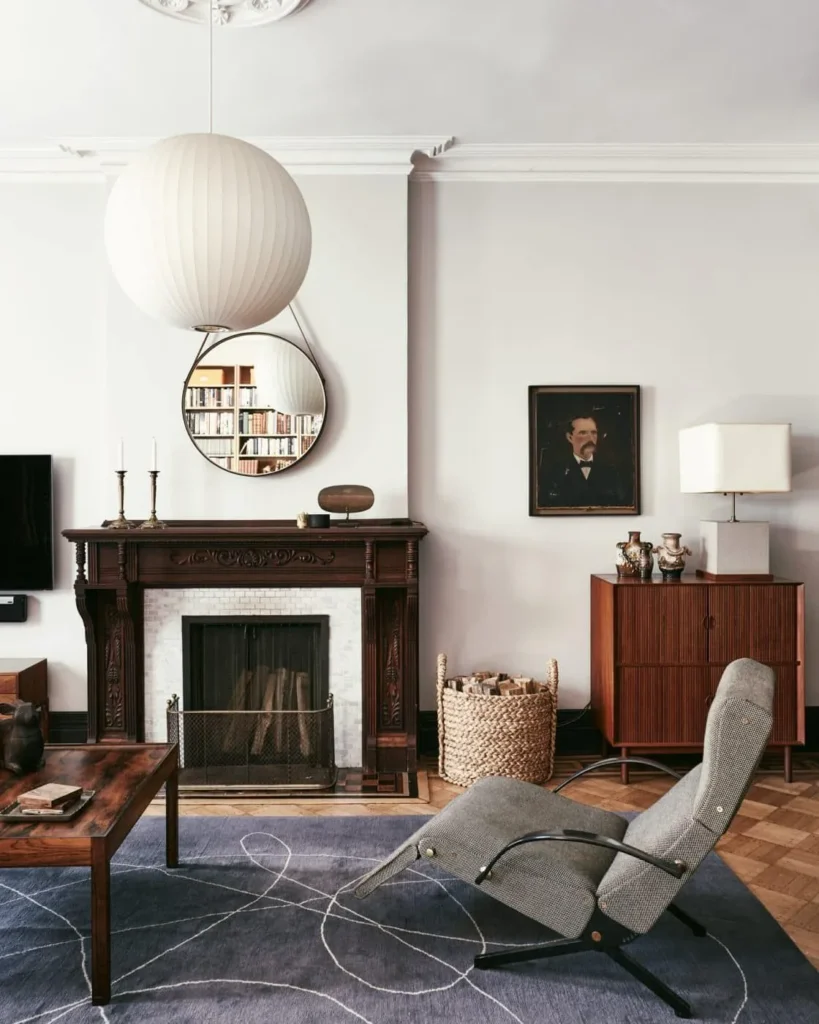
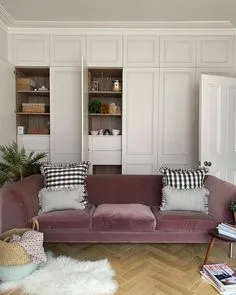
Open shelving everywhere is giving way to something more realistic: storage that allows a home to function without being on display at all times.
Closed cabinets, thoughtful joinery, and concealed solutions create visual calm — not because life is hidden, but because it’s allowed to exist without constant curation.
Fewer Pieces, Chosen with Intention
More isn’t better anymore. What’s in is editing — choosing fewer pieces, but choosing them well.
Furniture and objects are selected for how they’re used, how they age, and how they make a space feel — not how they perform on a screen. Each piece earns its place.
Homes That Change Over Time
Perhaps the biggest shift: the idea that a home doesn’t need to be “finished.”
In 2026, spaces are allowed to evolve. Rooms adapt as life changes. Objects move, walls gain marks, layouts shift. A good home isn’t static, it grows with you.
Some closing thought: 2026 Is About Integrity
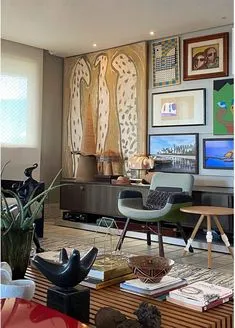
What’s “in” for 2026 isn’t a look, it’s curation of your space.
Designing with intention and patience creates homes that feel personal, grounded, and confident. And those are the spaces that last.
Image used for editorial inspiration. Original source unknown.